
Fruits of the 12 Bhava
counted from
Lagna
12 house from the Capricornus Ascendant
read also from Chandra-Makara-Draco * comforted by hierarchy * sensitive to class-status * needs ritual ordering
9 graha from Makara indriya-lagna
12 bhava from Makara indriya-lagna
lagnesha = [Shani]
Bhava 1 = 1st navamsha = 1st from Makara Chandra
Appearances = Makara - Draco = Capricorn
Bhava 1 = Appearances, physical Form
= competition for social validation. In order to win the competition a person needs to be born with a healthy, vital, well-coordinated combination of physical behaviors and social traits.
Lagnesha Shani -Saturn : System Requirements governs a svabhava of enemy Kuja .
By character, the Makara native is materially savvy, orderly in personal habit, and respectful of social rank. In particular, the Learner favors a Shani-style careful, step-wise method of self-definition and ultimate residence at the top of some variety of social hierarchy
-
UK-Queen 1926-2022 Elizabeth-2 * Makara sthāna-1 contains [nīcha-bhaṅga] Guru yuti [uchcha] Mangala while Mangala parivartamsha Shani-11
Makara seeks to develop the physical personality identity through association with prestigious public activities, leadership responsibilities, and qualities of the father's family history.
Makara Learners self-identify as persons of dignity and capability, particularly in tasks associated with social ordering and governance ..
The personality integrity expresses an inherent affinity for entitlements of bureaucratic office, hierarchical function, and organized group formations. the Learner = particularly influenced by father's family of origin and the spouse's mother.
-
the Learner 's identity is particularly influenced by one's social rank (whether favorably or not); one prefers a lawfulresponse to life.
Makara Learners are generally hard-working, procedural, respectable folk who have a strong socio-legal interest in executive leadership .. They strive to maintain a competitive but regulated personality and physical appearance.
Makara Appearance = Chandra-Makara-Draco * comforted by hierarchy * sensitive to class-status * needs ritual ordering
Appearance depends significantly on the Shani's condition - rashi, sthāna, co-tenants, drishti, etc..
Makara-lagna = vata-influenced = blue-toned cast to their complexion, very slightly opaque blue-stone-colored patina (ranging from blue sapphire to darkest lapis-azuli) relative to the genetic pigmentation patterns of one's people, tribe, clan.
Lagnesha Shani's condition along with the lord of the Earthen-Moon's nakshatra = determiners of the ultimate outcome of the physical appearance.
As a general rule Makara Learners have highly conventional fashion taste and auric appearance with few remarkable distinctive physical features. Makara Learners intend to acquire positions of public respect, and to do so one should look recognizable, rather like Everyman. Except for the slight tendency toward a bluish complexion, Makara represents the solid center norm for their gene pool.
Bhava 2 = 2nd navamsha = 2nd from Makara Chandra
-
Values, treasuries of financial well-being and knowledge, family history, collections and acquisitions, food
Dhana Bhava-2 = Kumbha - Ghata = Ordered Networks
Graha in Bhava-2 expression prize * price * appreciation * preciousness or changes to the appreciativeness of the family (2) toward the Learner . The type of appreciation is determined by the character of the graha.
[Shani] governs a svabhava of Shani's good friend Shukra.
Values are conceptually ordered and scientific in character, but there is an element of socially progressive belief and values-based behavior .
Kumbha moves out of the rigid, reliable 'social pyramid' model of elite governance and into the more flexible, less steady 'lateral network' model of popular governance.
Kumbha features a distinctive mix of Professor Shani cooperating and co-ruling with Professor Rahu in bhava-2 (values).
Learners may hold a treasury of knowledge and financial well-being that expresses conventional interpretations of elite-governed social law-and-order plus several unique "Kumbha-esque" tenets of conviction that some minority or social underclass group should enjoy sudden Rahu-style upliftment into a higher social station .
The Learner's own family-history ideology, style of talk and song, artistic and historical knowledge may be reduced to the common and banal, but Makara's values are directed in part by Rahhu
Learners may Therefore, push the envelope to develop multi-cultural, multi-ethnic values while the family history(2) is indeed for the Ena Learner a grand unity of the Human Family.
Earned wealth is set by bhava-11, but ability to retain wealth is determined by bhava-2. When Professor Shani along with Professor Rahu jointly rule bhava-2, the more conservative practices for wealth-hoarding appeal to the Learner but one is also capable of taking great risks with one's accrued savings.
There may be astonishing wealth due to exotic conditions in the family history or to one's remarkable knowledge of history
EXAMPLE
-
UK-Queen 1926-2022 Elizabeth-2 * yogakaraka Shukra-Kumbha -2 (affluence of the family of origin) accepts amplifying, risk-taking drishti from communicative Mithuna Rahu-6
[Surya in bhava-2] * the family is political and often in control of hidden resources. their style of showing appreciation to the Learner depends upon the treasury that one brings into the family coffers.
The father is primarily concerned with maintaining the financial well being of the lineage. Father may be involved in banking, archives, storage, collections, conservation, value, traditional knowledge, genetic breeding, historical records. Patriarchal figures are prone toward self-righteousness and usually the father is the solar center of the lineage.
Family may be bureaucrats and governing functionaries. They prefer to operate under guise of social conformity and lawfulness, but their identity is not as it appears.
Surya occupies Makara * ruler of 8 resides in 2
[Chandra in bhava-2] * the family is sensitive and routinized in their style of showing appreciation to the Learner . Mother may be primarily concerned with maintaining the financial well being of the lineage. She can be involved with banking, archives, storage, collections, conservation, value, genetic breeding, lineage knowledge, historical records. Mother is often the center of this lineage which features pale, gently radiant moonglow faces.
The family lineage is deeply identified with the Old Ways (Soma) but feels a need to systematize the values of the traditional folkways.
Chandra-Kumbha * ruler of 7 resides in 2
[Mangala in bhava-2] * the family is competitive and outspoken in their style of showing appreciation to the Learner . Brothers are dominating and vigorous. Often an athletic or warrior lineage. the Learner and the brothers are concerned with financial well-being, which is typically present at birth and energetically pursued by the Learner . The family may be dynamically successful in their pursuit of material treasures, particularly conserving wealth derived from Mangala acts such as military invasion, forceful explorations, engineering, weaponry, surgical tools, driving, diving, drilling, plumbing, plowing, excavating, explosives.
Kumbha-Mangala-2 occupies bhava-2 kuṭumba (family of origin)
Mangala bhukti of the Vimshottari Dasha generate experiences related to voice, face, speech, song, treasuries, libraries, and collected assets of the family (4).
For the Makara indriya-lagna, vriddhi-pati-11 Mangala is a fruitful graha.
Periods of Mangala support gains of financial income-11 and obtainment of education, lands, houses and vehicles-4.
Under the influence of Mangala bandesha-4 Learners may buy a farm, acquire a car, found a school or build a house.
These same Kumbha-Mangala-2 periods can also increase the economic income, energize the friendship network, and help to gain the goals and achievements (11) that are important in one's own values system.
When lagnesha Shani transits gochara via the rashi of Mangala, Shanicarya may deliver a strong "pinch" of resistance to innovation and stiffened physical movements.
[Mangala-Kumbha] * ruler of 4-11 resides in 2 * dhanayoga
[Budha in bhava-2] * the family is communicative and gesturing in their style of showing appreciation to the Learner . Younger siblings of either gender may be managers of the financial well being of the lineage. Siblings and cohort-members can be involved with banking, archives, storage, collections, conservation, value, genetic breeding, lineage knowledge, historical records. Siblings are often active in the center of the family lineage.
Lineage expression tends to be scientific, futuristic, focused on connectivity and inter-linkage.
[Budha-Kumbha] ruler of 6-9 resides in 2
-
Earth Changes 1877-1945 Edgar Cayce + Shani + [Shukra-yuti-Rahu]
[Guru in bhava-2] * the family is expansive and inclusive in their style of showing appreciation to the Learner . In the nativity of a wife, her husband, represented by dhava-karaka Guru, is a curator of the marriage finances. For Husbandly Learners, one's financial holdings are influenced by the paradigm of belief. The Learner's own knowledge of values and history is expanded by the presence of teacher-preachers in the family lineage. Scientific theory may play a central role in the family tradition.
[Guru-Kumbha] * ruler of 12-3 resides in 2
[Shukra in bhava-2] *the family is balanced, aesthetic, and aligned to financial well-being in their style of showing appreciation to the Learner . In the nativity of a husbandly Learner , Shukra indicates the wife. For either husband or wife, Shukra indicates sister, sisters-in-law, aunts, and feminine associatesare lovers of luxury and beautiful in a mysterious way. the Learner often has a charismatically attractive voice. The sisterly-ones are concerned with financial well-being, which is typically present at birth and improved by the contractual, agreement-making abilities of the family's women and the Learner .
[Shukra-Kumbha] yogakaraka ruler of 5-10 resides in 2 * dhanayoga
-
UK-Queen 1926-2022 Elizabeth-2 * yogakaraka
-
Opus Dei 1902-1975 St. Josemaria Escriva
-
Earth Changes 1877-1945 Edgar Cayce + Shani + [Budha-yuti-Rahu]
[Shani in bhava-2] * the family is delayed or stalled in their style of showing appreciation to the Learner , but in time the necessary friendships will arrive. Shani is entirely comfortable in svakshetra Kumbha where He regulates social-electronic interconnectivity. Shanicarya casts drishti into 4-8-11 straitening conditions in the childhood home, imposing strictures in the foundational education, limiting the inheritance, and slowing the pace of economic gains. The material treasuries are slowly and dependably gained via properly ordered social participation networks.
The family carries a weight of perceptual limitation due to materialism and an overarching concern with associative and distributive economic systems as these networks connect the present to the future. Agents of the government, officers of the social order, the elderly, hierarchs, and other Shani-figures may limit and restrain the family's acquisitions. Shani produces restraint and social obligations upon the lineage, constraining but not denying wealth acquired via community linkage procedure and protocol. Family is often involved in the social governance traditions.
[Shani in bhava-2] steady time-structured values-fulfillment * scarcity of precious resources * must preserve historic traditions * must gather * must catalog * obstructionist family-of-origin * must remember * cautious use of words * boney face * tense eyes * class-stratified speech * speakers' fatigue * chronic financial insufficiency * undernourished eye-teeth * must use old libraries * cold dried food hoard * limited sight * ossified heritage * language regulator * appreciates ignorance * maintains treasuries of proven knowledge * hierarchies impose know-nothing rules * elders hold center of family
[Shani-Kumbha] * mūlatrikoṇa 0-20 deg. * lagnesha ruler of 1-2 resides in 2
-
Dialogue 1347-1380 St. Catherine of Siena yuti Ketu
-
Earth Changes 1877-1945 Edgar Cayce + Shukra + [Budha-yuti-Rahu]
Rahu in bhava-2 * The family is ambitious and seeking social mobility. Often the lineage is irregular in some fashion; most Typically, an imposter from another line is claiming legitimacy in the family line (usually a case of disguised parentage. Rahu's angle from Chandra will reveal this impostor.). Rahu-2 indicates a craving to expediently obtain the privileges accorded to the class of bankers, hoarders, treasurers, and preservers.
May an obsessive collector of futuristic things, and use this collection as a platform for social ascendance. Kumbha favors regulated systems; the family's response to the Learner is often deceptively systematic. If the family finds it expedient to promote and appreciate the Learner , this may occur. Yet, if the family finds it expedient to disgrace the Learner , this may also occur. Find risk-rewarding Rahu's ruler Shani, and evaluate other graha in 2, to determine which path is most instrumental for shape-shifting Rahu.
Generally Kumbha is a superior rashi for Rahu, and outcomes are favorable in all matters concerned with rule-governed networks, linkage, electro-magnetic grids, and interconnectivity.
Lineage features individual or family over-reaching [Rahu] via distributive economic systems, social-participation networks, and electro-magnetic device linkages.
-
Earth Changes 1877-1945 Edgar Cayce + [Shani-yuti-Mangala] + Budha
[Ketu in Bhava-2]* the family is dispersed and disregarding in their style of showing appreciation to the Learner . The family's lineage wealth may dissipate over the period of one's lifetime. Second marriage is rare with Ketu-2, and if it occurs the spouse is eccentrically detached from oneself. Find Ketu's ruler SHani, and evaluate other graha in bhava-2, to determine which outcomes are likeliest.
-
Dialogue 1347-1380 St. Catherine of Siena + Shani
Rahu svakshetra
"Rahu will be helpful in securing a good bank balance, but your relationship with others will not be harmonious. You will regard other people the way a predator regards its prey ." [end quote]
Sahaja Bhava = 3rd navamsha = 3rd from Makara Chandra
-
Mentality and Communications = Meena - Antya
Sahaja Bhava-3 = Meena - Antya = clairsentience and claircognizance
Guru- Jupiter: Wisdom Expansion governs a svabhava of Budha.
Optimistic mental attitude.
When Guru is strong by rashi, yuti, and incoming drishti, potential to develop // visionary entrepreneurship //
Mental health tends to be expansive, taking a vast and charitable perspective, unless Shani aspects bhava-3, and of course depending on the condition of Guru.
Visionary thinkers who may lack a tolerance for the limitations of time, space, and other //conscnesus constraints // of earthly reality.
The planning and administrative processes may be exceptionally optimistic, to the verge of Pollyanna thinking. Operate with extremely positive expectations and a childlike belief in human goodwill. Not mentally organized unless Shani or Budha influence Bhava-3. Tends to substitute blind trust for rational planning. However, if Guru is well disposed, their trust is rewarded.
Motivated by hope for a good outcome for all, but oddly can become a liar and hypocrite. Not a 'detail person': can fabricate [Budha] information or tell an improved [Guru] version of the truth in order to enhance the big-picture outcome. Master of the"white lie" . (and believes this can be done with impunity).
Expansive Guru does not ken to rational limits on thoughts or rules for processes.
If Shani casts drishti upon both Budha and Guru, Learners may face serious conflict between cherished belief and material reality. Often this is resolved in a mental state of cognitive dissonance in which the Learner holds two contradictory claims to be equally true. Thus the normally pleasant and positive Makara Learners may endure mental illness when faced with bitter truths which they cannot, philosophically, accept.
Looks for the Divine Presence in everyone, regardless of facts to the contrary. Extremely sympathetic. Likes religious company. Often found in very large spiritual congregations, due largely to their 2nd-Bhava global connectivity values.
Likes to talk about children, charity, and their religious beliefs. Very giving people who socialize easily. Enjoys event planning, holiday parties and travel, fantasy environments. Childlike trust in siblings and neighbors. Wonderful teachers in small classrooms; fabulous sales people and promoters.
Bhava 4 -= 4th navamsha = 4th from Makara Chandra
-
Home, schooling, parents, social-material security, licensing, vehicles
- Warrior of security
- needs an innovative home property
- home favors dark-red and black colors,
- may be decorated with weaponry
-
[Surya-Mesha] = [uchcha]
-
[Shani-Mesha] [nīcha]
Bandhu Bhava-4 = Mesha - Aja = Movement
- Whether male or female, one takes a competitive and dominating role at home.
- Very active, perhaps aggressive, behavior in the childhood home environment.
-
If Mangala is strong, success as a school athlete
Character of Kuja in the radix will determine the activity levels. Verbal and physical conflict, if the teachings of Professor Kuja are subject to prolonged repetition of the key structural elements of the learning pathway (which are in reality multiple opportunities for accepting of gifts of understanding) Usually, via constrictive drishti in radix.
Home is associated with metals, engines, heat production, combustion, weaponry, hunting, competitive sport, military force, explosive adolescent male energy.
Tendency for the home interior to acquire tones of black and red, and for an unusual amount of metal in the Bhava decoration, contents or construction.
Tendency to take "short-cuts " in formal education. Small family unless Kuja + Guru.
- Dislikes public transport, requires own (fast) vehicle.
- May keeps guns or other metal weapons in the Bhava
Unless Kuja is highly dignified, there is a natural tendency toward adversarial relationship or even overt conflict between the parents in the childhood home. Kuja in 4 or drishti to 4 = assuredly sor.
Sample placements:
- Surya or Mangala (fortunate) Ever-ready to take up politically motivated defense of the home and homeland. An inspiring comrade-in-arms.
- Shani (unfortunate) = ethnic hatred and blaming. Parents suffer ignorance and anger. Childhood impacted by war or threats of war. Deeply insecure and emotionally reactive.
Bhava 5 = 5th navamsha = 5th from Makara Chandra
Shukra -Venus: Harmonize, balance, arrange
-
Romance, creativity, children, performance Art, authorship, Genius
- Theatre of treasuries and sensual delights
-
performance art of relationships of mutual pleasure,
-
display of accumulated natural resources
-
[Chandra-Urisha] * comforted by precious values * settled into rhythmic gathering * needs luxury
Putra Bhava-5 = Vrishabha - Urisha Treasury
Delights in celebrity, fashion, politics, material luxury, sensual pleasures of the mouth , beautiful music, delicious foods. Charmed by children.
Charismatic self-expression through sensual indulgence of romance, food and drink. Idealistic views of procreativity and children. Not practical with child-raising routines but loves childlike creativity and joy. Enchanted with babies.
Children's behavior is mainly determined by Shukra. However, the child-karaka malefic ruler of-10 +ruler of-12 Guru is a troublemaker for Makara indriya-lagna. The situations of having children, keeping children, or raising children nearly always invoke 'cognitive dissonance' or 'denial' patterns for these Learners , and their child-raising behaviors become problematic.
Makara enjoys political campaigns, speculation and gambling, literary and performance arts. Likes to be entertained and amused. If Shukra is dignified, may be great promoter of children's arts and creativity, or of the arts in general. If Shukra is constrained, there may be no children or considerable difficult with one's own progeny, and trouble through speculation.
Bhava 6 = 6th navamsha = 6th from Makara Chandra
Budha -Mercury Mental Narrative
Imbalance: Enemies, debt/Finance, illness, Livestock/Pets, servants
- Ravi-Mithuna
-
[Chandra-Mithuna] * comforted by messaging * settled into rhythmic communications * needs mentality
- Budha-Mithuna
- Guru-Mithuna
- Shukra - Mithuna
- Shani-Mithuna
- Rahu-Mithuna
- Ketu-Mithuna
Ari Bhava-6 = Mithuna - Dvamdva
Budha is a very impressionable graha and the state of Makara indriya-lagna's health depends largely on the condition of Rogesha-6 +Dharmesha-9 Budha.
As skilled rationalizers , these Learners can hide their own health realities from their physicians and themselves. However, they can be articulate exponents of good health for others! Famed for their do as I say, not as I do advice :)
(See bhava-3 for their advertising, spokes-person, talkative style.)
In general, Makara Learners have few enemies . They prefer to talk their way through disagreements .
- Masterfully subverts overt conflict into covert verbal manipulation.
Lagnesha Shani considers Budha to be a friend, but Budha is also the lord of the bhava of animosity for the Makara indriya-lagna. The total outcome of Budha's influence is overall rather neutral - neither a greatly positive nor a greatly negative effective.
Budha adheres to Shani's "social order" directive, and as a result Makara Learners may tend to prefer to articulate a socially conservative"party line" which expresses the arguments of the social elite who promote the"law and order" social model.
bhava-6 = 5th-from-2nd is an important money Bhava, showing one's fortune from speculative investments (5th-from-2nd).
Budha is not disturbed by immoral business practices (6) e xempli gratia, usury, trafficking, racketeering, theft rings, other exploitations. Elaborate mani-money-lending agreements (6) are their specialty.
Often found doing skillful mental work on the legitimate side of an illegitimate business.
They get into polarizing catalysis during periods of the 6th lord just like everyone else, but Budha being Rogesha-6 +Dharmesha-9 they are usually rescued by their own cleverness. Many friends in low places.
Surya-Mithuna * bright center of commerce and conversation * [Sarala Yoga]
Mithuna-Surya-6 periods generate imbalanced experiences which require conscious balancing.
For Makara indriya-lagna, mithuna-Surya-6 creates a helpful Viparita Raja Yoga
= [Sarala Yoga] = protects against excessive debt and causes most disease conditions to produce a quick return to health
In the 6th sthāna, asvabhava of Mithuna-Surya's friend Budha, kingly Surya is unable to fulfill His ideal role as the radiant absolute-center flame around which all others orbit and reflect His light.
Rather, the light is dedicated to serving others in often hidden roles, and the natural intelligence best expresses itself in problem-solving situations where matters of accusation, pollution, conflict, and illness can be resolved.
Excellent placement for service workers, physicians, nurses, healthcare technicians, bank-loan agents, druggists, military officers, social workers, and all professionals who handle conflicted situations.
Budha-Mithuna * communicative, scripted disagreements, analyses, arguments
Budha bhukti of the Vimshottari Dasha generate experiences related to matters of bhava-6 service and matters of bhava-9 ideology and beliefs
Saptama Bhava 7
= 7th navamsha
= 7th from Makara Chandra
Balance and Rebalance:
Marriage, partnership, agreements, promises, negotiations, contracts,
samatā bhava-7 = Karkata - Kadaga
Chandra rules Marriage, alliance, contractual Partnership, Union
-
inevitably fluctuates.
-
naturally, whichever bhava is ruled by Chandra the Lord of tides and flows will fluctuate.
-
the Learner will experience an emotional ebb-and-flow in the primary committed partnerships, be they business or personal, throughout life.
-
The most nurturing and parental qualities in marriage are developed during periods of Chandra.
Security
-
Marriage is framed by deeply emotional expectations of security and protection from predators.
-
Learners may prefer a spouse with pronounced parenting and nurturing qualities. Whether this taste is satisfied depends on the character of Chandra.
-
In married life, Makara-born may marry in order to recreate the early childhood home. Also one attempts to recover the feeling of protection one received (or had hoped to receive) from the physical security of the Bhava and from the parents.
-
Even the business partnerships are oriented toward stability and security, and protection from undue risk.
-
Makara wifely-companions tend to marry husbandss who similar traits to one's mother.
-
Makara husbandly-companions tend to marry wives who resemble the mother both physically and emotionally.
Mother
-
Makara indriya-lagna Learner s are often born to negotiating, brokering, contract-making mothers .
-
The Learner's instinctive need for achieving emotional satisfaction through deal-making and forming alliances = literally nourished by the mother's milk.
Like Budha, the Moon is enormously impressionable. Happiness and fidelity in married life will vary extremely according to the disposition of the Earthen-Moon.
However, in general, unless Rahu interferes, the main feature of the marriage partner is one's deep emotional alignment with the place-based ethnic culture of one's childhood home .
-
In a husbandly-nativity, Wifely-companion may bear a remarkable resemblance to his mother . The primary aim and purpose of the marriage, from one's point of view = the provisioning of a safe and comfortable home and pursuit of Caretaking or parenting activities. Regardless of education she = likely to prefer to live as a housewife.
-
for wifely Learners, the husbandly-companion may be involved with the oceans, or with schooling, or with matters of early childhood home life and protection. Also he may engage with Bhava and vehicles, or patriotic defense.
The first marriage partner's behaviors must be culturally compatible with one's parents' lifestyle . maraka Learners marry not for romance or fortune, but for emotional security and contentment.
Usually Makara Learners enter marriage for the express purpose of starting a family in order to perpetuate the conservative and conventional values of one's parental line (in particular, the mother's line). The marriage contract is based upon a mutual interest in parenting and caring for the land.
Should Chandra join with Rahu or Ketu, Learner's lifepartners may forego the public bans of marriage, preferring to seal their commitment with the birth of a child. If they do marry it is for the welfare of the family and not a concern for their own reputation.
Particularly when Karkata is the rashi upon the 7th navamsha , the spouse should be a land-owning and home-based person, very much attached to place, with a strong sense of custodial relationship to the local environment. Such Learners whether masculine or feminine valence, may be gardener, parent, patriot, hearth-keeper, and schoolteacher. Makara Learners may have affinity for the ocean or for any type of liquid which moves in a regular cycle.
-
This Learning Pathway may require engaging with liquids. If there is also a disability of Shukra, the potential for alcoholism, drowning, flooding, or other situations signifying an over-engagement with liquids.
Contracts, agreements, legal discussions, all types of advising are approached emotionally, according to intuition and immediate feelings and needs. Family interests dominate the marital life.
Overall happiness in marriage varies, and is dictated by the characteristics of Chandra. In general the Learner acts conservatively in their marriage practice. If children are present in the alliance, the pair are not much willing to divorce. Yet contracts are approached emotionally, so if the Learner's feelings have been deeply hurt - they may indeed go look for another spouse/parent who could better satisfy their expectations.
Mangala-Karkata in bhava-7
[Mangala-Karkata] is emotionally needy in nīcha and highly sexualized in 7, producing complex and contradictory interpersonal relationships. Atendency to twist the words of counselors and fight with advisers (7) exacerbates the tension.
Typically, the contentious issues are land-property (4) and economic revenues (11)
EXAMPLE
POTUS-10 Annex Texas 1790-1862 John Tyler
- JT accidentally inherited the POTUS-10 job after William Henry Harrison died after less than two months in office.
- JT was mockingly called His Accidency . Tyler had a devil of a time trying to conduct any sort of orderly business and his policies were often vetoed by an obstructionist Congress.
- With increasing moral and economic tensions over the issue of slavery = nīcha-Kuja involuntary restraint, bondage - the USA Civil War was raising tempers and the winds of war were blowing.
- Paralyzed by the threat of violent disagreement, with most of his initiatives dispersed into endless conflict, JT accomplished very little from 1841 until 1845.
- Similarly his earlier governance roles in the national Congress and as Governor of Virginia were rendered nearly powerless by antebellum legislative chaos over individual states rights (Ketu-Mesha individuality).
Gainful Vriddhi-pati-11 Mangala signals the desire-engines to pursue stability of home (4) and community (11) Yet, in [nīcha] Kuja often tries to gain these goals via manipulative schemes. Learner's lifepartner may have control-seeking extortion or strangling behaviors either physically, mentally, or emotionally.
This combination is only possible for Makara-lagna. Kuja in 7 casts drishti into bhava-2 (second marriage) as well. Therefore while the significations for the first two life-companions are less than ideal, no serious harm is forecast.
Mangala-Karkata-7 = usually a sober, pragmatic, hard-working Shani-guided Makara personality with a realistic outlook on marriage and business partnerships.
Mangala-Karkata-7 may enjoy a more peaceful life by choosing to set relationship expectations at a low level initially, and be prepared for some intensive spousal interactions when binding-embracing Mangala becomes overstimulated by bhukti or gochara effect. Peace of mind is an essential foundation for mature management of the situation.
Mangala bhukti can be physically challenging due to an adversarial partner, and Chandra bhukti can be emotionally challenging due to a manipulative or passive-aggressive partner. Much depends on the placement of Chandra, the samatā-pati.
If Chandra is well-placed -- for example, Chandra-Makara-Draco or Chandra-Meena -- Learners may be fully empowered to meet the challenges of a squeezing" mate. Much of the predicted strangling, twisting, binding, manipulative energy of Mangala-Karkata-7 can be soothed and defused by parental-type love and constant, soothing embrace. It is a healing challenge, but with consciousness such a marriage may produce emotional and financial success.
The mate = generally a high earner, goal-oriented ( vriddhi-pati-11 ) well-educated (bandesha-4 in 4th-from-4th) and motivated to obtain a prestigiously located residential home with high-powered vehicles(4).
QUOTATION
~~ Bhrigu Sutram Sarga-34 Shloka-11
" If, during birth, the Cancer or Moon's Navamsha be descending, the husband will be very passionate but quiet."
QUOTATION ~~ BPHS Sarga-80, shloka-22-25
If at woman's birth, the 7th bhava or the setting Navamsha be a rashi owned by the Moon, the husband of the woman will be love-sick and gentle.
QUOTATION from Bepin Behari WRT Surya in Karkata-7
" You will have a loving spouse but they may suffer from bilious diseases.
The Sun in this sign may destroy the marriage bond, but there is a great chance of becoming interested in paranormal phenomena." (randhresha-8 in 7)
" You are not content to work merely on the physical plane of existence, but are interested in establishing a link with the secret unknown.
You may be doctor or engineer.
Your spouse will be good looking but tightfisted, impressive, good at public dealing, agood host, kind to servants and a helpful partner." [end quote]
Bhava 8 = 8th navamsha = 8th from Makara Chandra
rashi-pati = genius Surya -Sun: the Soul-Self
- Hidden Matters:
- Joint Assets,
- Pooled monies,
- Crisis of Transformative Healing
Randhra Bhava-8 = Simha - Leya
A particularly difficult location for the Makara indriya-lagna Learner , as Surya lord of Simha is a bitter mutual enemy of lagnesha Shani.
Makara loves a lifestyle of steady, careful status acquisition, association with gracious and materially abundant folk; nice clothes; beautiful children (Shukra-5); and if there is blockage from Surya or from Surya's bhava-8 the Learner can self-sabotage their own by an urge too much individualistic and political style [Simha] that is hidden, secretive, manipulative, or covert.
There is a natural proclivity to associate oneself with sources of social-material power,
Joint assets of marriage are usually helpful to one's egoic-mind membrane development. Marriage brings a degree of social recognition and some type of prestige, according to the dignity of the Sun.
Spouse contributes wealth into the marriage and spouse's assets have their own charisma. Spouse's assets enhance one's public standing and advance their career - again, according to the dignity of Surya. (8th Bhava = 11th-from-10th, spouse's contribution to joint assets is normally gainful for career.)
Native is publicly or professionally identified with"hidden politics ". Has access to confidential political information, which the Learner is permitted to utilize for personal and professional benefit.
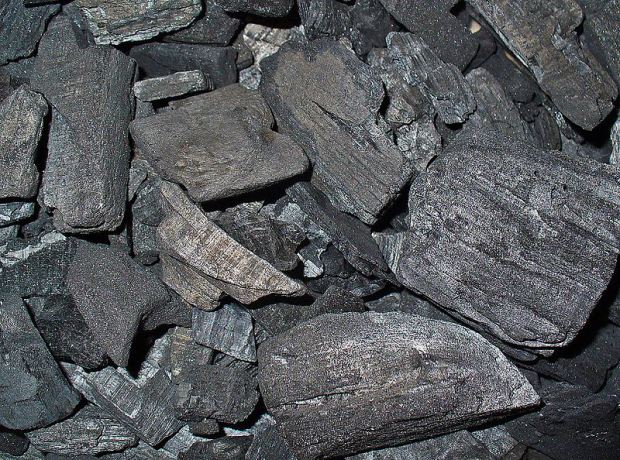
Charcoal - can be burned many times for slow [Makara] renewed heat
Bhava 9 = 9th navamsha = 9th-from Makara-Chandra
Budha -Mercury: Mental Tasking
Principles of Philosophical understanding;
the High Temple; University;
High-Priesthood; pontiff, proselyte, sacerdotal
Guru; Professor;
Sacred Wisdom
Father-figure; Pitri, patrons, patronage;
doctrinal instruction and paradigm of belief
human perception of Divine Law
-
Temples of Sacred wisdom,
-
preachers, pontiffs, and professors,
-
father-figures, dogma and doctrine,
-
children and grandchildren
-
mountaintop celebration of Divine Light
Dharma Bhava-9 = Kanya - Parthya = Wisdom-Teachings
Although the Learner enjoys luxurious (Laxmi) material acquisitions (yogakaraka Shukra) and one needs a socially ordered lifestyle [Shani], the Makara native favors a religious dogma based in a Ministry of Service [Kanya].
Learners may believe in the righteousness of one's path of service and sees oneself as the servant-leader type.
Whether the Learner can practice what is preached is determined by Budha, and the planetary patron of the 9th-from-Chandra. Budha is a skillful rationalizer and due to His lordship of Ari Bhava, Budha also naturally finds engagement with the worlds of exploitation and crime. Therefore, the Makara native must be very careful to avoid hypocrisy and double-speak .
- However, if the 9th-from indicators are pure throughout the nativity, Learners may develop into an inspiring preacher, professor, and spiritual guide.
Even when Makara follows the more typically pragmatic religious patterns in which the Learner's behavior is primarily geared to meeting public expectations, Learners may easily materialize one's principled beliefs by inspiring others
Makara can deliver reasonable, convincing doctrinal speeches and acts of the hands [Budha]
- (just remember that Budha is the dharmic Dharmesha-9 -- AND -- the deceptive rogesha-6 !)
The inspiration and consolation of Religion is easily accessible to Makara-lagna Learners, but it comes in a mentalized form. Generally, it is easier to talk about philosophy and repeat a scripted litany rehearsing statement of convictions, than it is to "walk the talk" by acting consistently upon the tenets of one's faith.
Learners may enjoys conversing about faith, ritual, and priestly teachings. However, commercial Budha tends to view the entire exercise of 'profession of Faith' as being essentially an elaborate business transaction. The profit expected from this transaction include social validation and acceptance into valuable new communities (Kumbha-2).
An easy faith arises in their lives, due partly to their chameleon ability to mimic the beliefs of others. Budha is an adolescent graha; one's faith also has an adolescent quality. Because Surya, the karaka for social ethics, rules the destructive-rejuvenating 8th amsh, Learners may be not much engaged in ethical inquiry. Nor is he concerned with matters of deep reflection, nor cosmic truth. Rather, religion for the Mrigadriz native is a project of thinking good thoughts, making wise choices, and participating in the scripted * worth-ship * worship of their chosen tradition. They enjoy attending sermons and watching complex rituals being performed.
Unless the teachings of Professor Budha are subject to prolonged repetition of the key structural elements of the learning pathway (which are in reality multiple opportunities for accepting of gifts of understanding) Usually, via constrictive drishti. Or if Professor Rahu occupies bhava-9, Learners may tend to remain within the doctrinal traditions of the childhood upbringing. Learners may be generally uncritical of the tenets of this faith or the faiths of others, but Learners may enjoy discussing matters of religion and society from a journalistic point of view.
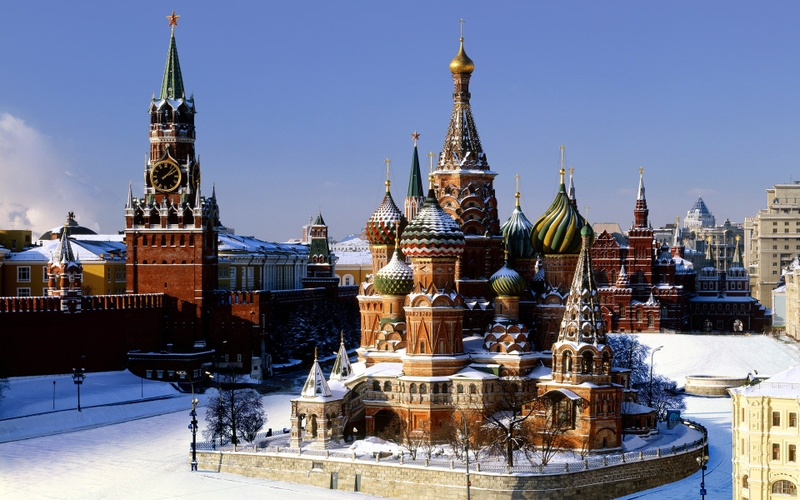
Собор Василия Блаженного
Cathedral of St. Vasily the Blessed in Moscova, Russia
Bhava 10 = 10th navamsha = 10th-from Makara-Chandra
[Tula - Vanika] = Libra
Public Status:
Career, profession, civic duty, public Dignity
Thulabeing a sign of balance and good design, the Makara native's public life including career, begins with social advantages. Unless Shukra is harmed, the Learner is graced with a pleasant public appearance. He is professionally disposed toward balanced relationships with both men and women. He is well-mannered (in public) and well-liked. Periods of Vidyapthi-5+karmesha -10 Shukra are beneficial indeed.
Career development proceeds along social lines. Native raises prestige by accepting responsibility for wining, dining, and amusing his associates - according the taste and style of Shukra. E.g. Shukra/Kumbha has an eccentric, inclusive, sometimes vulgar entertaining style; while Shukra/Meena hosts with musical and artistic elegance. Shukra/Kanya is awkward and overly mentalized in partnership, and so his career under Thulamay not well flourish.
If Shukra is strong, one's success is due to his ability to manage a wide range of interpersonal relationships, and to establish balanced and beneficial relationships between numerous third parties. This talent extends to executive work in any sector of the economy.
The foundation of Vṛścika 's public reputation = skill for gracious entertaining, which includes the style of hosting business meetings and interpersonal conversations with superiors.
If Shukra or Shukra's lord is strong, much success from social grace and intelligent relationship management. If Shukra or his Lord are not well empowered, one's taste and style are lacking.
[Vṛścika - Thriketta] = Scorpionis
Kuja * Mars : Kinetic Energy
Bhava 11 = 11th navamsha = 11th-from Makara-Chandra
- Marketplace Connections
- Distributive and associative Networks,
- Voluntary Friendships,
- Income, Gains
- Material and Social Goals
Kuja activates bhava-11 of connectivity and gainful marketplace associations. Energized pursuit of gainfulness. Kuja likes to win.
Makara-lagna Learner s are ambitious, even aggressive earners who tend to succeed financially through shrewd and vigorous competition in their market niche. They are less concerned with legal restrictions and more concerned with loyalty in business relationships.
If Kuja is in bad company, all the marketplace connections are vigorously pursued, and income is gained though a network of criminals. bandesha-4 + Vriddhi-pati-11 Kuja is particularly talented at earning from real estate/property development, from education, and from their mother.
General Effect on Friendship Networks
Makara indriya-lagna often chooses rather peculiar friends due to Ketu's influence on 11. There is some tendency to sexualize and secretize (Kuja-Vṛścika) one's friendships, particularly if Kuja should occupy 11. feminine Learners may enjoy numerous male friendships, but the female is often too forceful in personality
Most likely friends are healers, shamans, managers of secret wealth and hidden knowledge, tantriki, surgeons, psychic readers, and intuitives.
Friendships exist but they are typically well-hidden, not intended for the prying eyes of the publicr.
if rogesha-6 in 11:
Presence of rogesha-6 Budha in 11 can indicate one who becomes friendly with criminals or makes a poor choice of friends.
[Dhanus - Haya] = Sagittarius
Guru -Jupiter: Wisdom Expansion
Bhava 12 = 12th navamsha = 12th-from Makara-Chandra
- Meditation, clairsentience and claircognizance, imagination, dreams
- Spiritual guidance, ancestors, parallel life , prayer
- Dissolution of physique; Loss of Identity, withdrawal
- Meditation, sanctuary, hermitage
- Bedroom, confinement, private relationships
- hospitals, monasteries, ashrama
- enemies of marriage
- Distant lands, foreign residence, overseas assignment, long sojourn
In its natural state, Vyaya bhava = a meditational inner sanctuary blessed by wisdom-spreading Guru. the Learner enjoys unfettered access to healing imagination, privacy, and prayer.
Ironically however, there is typically some loss of philosophical understanding, and Learners may become quite confused (12) about the meaning of religion.
the overlap of Dhanus which rules spiritual teachings, scriptural study, preaching, priestly ritual, and the culture of the university-temple,
Expansive fantasy life, which normally is protected from view thus one's imaginative exploits produce little material trouble.
- Abundant opportunity for private Affairs du Coeur with typically minimal harsh consequences; for Makara, the seventh lord representing spouse is Chandra who has no enemies.
Makara generally hold the optimistic [Guru] expectation that private dealings will stay private. Led by this positive expectation, the normal outcome = understandings which are developed"behind closed doors "are well-intentioned and generate little negativity in material, social life.
-
The agents of 'animosity toward marriage' = ruler-of-12 and graha within vyaya bhava = teachers and priests (Dhanus) who offer religious and philosophical wisdom that distracts the Learner from the natural sensuality and materialism of Shukra-ruled marriage relations.
Exception: papa-graha in Dhanus-12
- Mangala in Dhanus-12 makes the sexual vitality [Mangala] somewhat unreliable and for menfolk in particular the sexual imagination may drive the Learner to unwholesome expressions of the flesh.
- In addition, Learners may suffer from bursts [Kuja] of anger [Kuja] which may be troublesome in that the Learner is frequently unaware (12, imagination, conceptual thought, theory, first principles, research, interior guidance, hallucination, unconscious) of their existence until a period of Mangala strikes.
- Rahu in 12 amplifies both the philosophical quest of Guru and the expedient, self-promoting instincts of Rahu. Learners may travel to distant lands in search of opportunities to escalate one's launch to the top of whatever pyramidal hierarchy attracts the ascending instincts .
Charity
Barring the presence of self-centred graha such as Surya or Shani, the natural instincts of Dhanus cause generous donations to charitable causes.
Compassionate worldview.
Depending on Guru's character and the location of Shukra, opportunity for extramarital relationships throughout life. Dhanus-born = a skillful rationalizer with Rogesha-6 + Dharmesha-9 Budha. The mind of Dhanus-born does not demand that their behavior should match their beliefs.
Rather, their imagination is deeply empowered by beneficent Guru, and their understanding of marriage as primarily a family/parenting venue opens the philosophical door to multiple, cheerful, educational, and generous extramarital relationships which do not harm the primary marriage unless Guru is somehow harmed by a malefic.
Dhanus-born enthusiastically embrace charitable projects in foreign lands, and they welcome the opportunity to travel in the name of religion. Typically too active for serious meditation, they prefer active service to others as their most comfortable act of devotional prayer.



[How Readings Work] = [Sample Sacred Jewels Ratna Recommendation] = [Seva]
file update = 07-Jun-2026
 [Copyright © 1994-2034 by Barbara Pijan Lama]
= [Contact]
= [How to Request a Jyotishavidya Reading]
[Copyright © 1994-2034 by Barbara Pijan Lama]
= [Contact]
= [How to Request a Jyotishavidya Reading]
Barbara Pijan Lama Jyotishavidya Vedic Astrology Surya Sun Chandra Moon Mangala Mars Budha Mercury Guru Jupiter Shukra Venus Shani Saturn Rahu Ketu Graha Planets Dasha Timeline Calendar Nakshatra Navamsha Marriage Children Treasury Career Spiritual Wisdom Cycles of re-Death and re-Birth
The information on barbarapijan.com , including all readings and reports, is provided for educational purposes only. Wishing you every happiness and continuing success in studies!