
Chandra-Kanya matched with 12 radical lagna
[Busy Bantering Budha] main page
Vimshottari Dasha general social-material effects for Kanya radical lagna
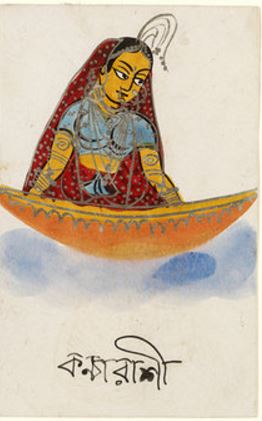
Kanyarashi = Kolkata, circa 1890
Victoria and Albert Museum
- [Mesha - Aja]
- [Vrishabha - Urisha]
- [Mithuna - Dvamdva]
- [Karkata - Kadaga]
- [Simha - Leya]
- [Kanya - Parthya]
- [Tula - Vanika]
- [Vṛścika - Thriketta]
- [Dhanus - Haya]
- [Makara - Draco]
- [Kumbha - Ghata]
- [Meena - Antya]
Kanya rashi contains three nakshatra :
-
Uttaraphalgunī - Aryaman [pada 2-3-4]
-
Hasta - Savitra [pada 1-2-3-4]
-
Chitra - Spica - Tvastri [pada 2-3]
Financial Bhava for Kanya Lagna
- [Surya-Kanya]
- [Chandra-Kanya]
- [Mangala-Kanya]
- [Budha-Kanya] [uchcha within Hasta-3] [svakshetra] [mūlatrikoṇa if within 16-20 deg]
- [Guru-Kanya]
- Shukra - Kanya
- [Shani-Kanya]
- [Rahu-Parthya]
- [Ketu-Kanya]

OM rim Pitambaraya Paramatmane Namah
OM namho sri pitambaraye namah
OM preem peetambaraya namaha
कन्या kanyā
Kanya
Rashi governed by Professor Budha
Kanni
Panni
Partha
Parthona - Para
Pravaga
Pramada - Pggana
युवती yuvatī
मानुष mānuṣa
Virgo
Vierge - Persephone
Parthenos - Panna
Pava - Peha - Pahha
Jaunava
the Furrow, the Maiden
राशि names in numerous languages

Juni, brevarium Grimani
fol. 7v (Flemish), ca. 1510; from: Venedig, Biblioteca Marciana
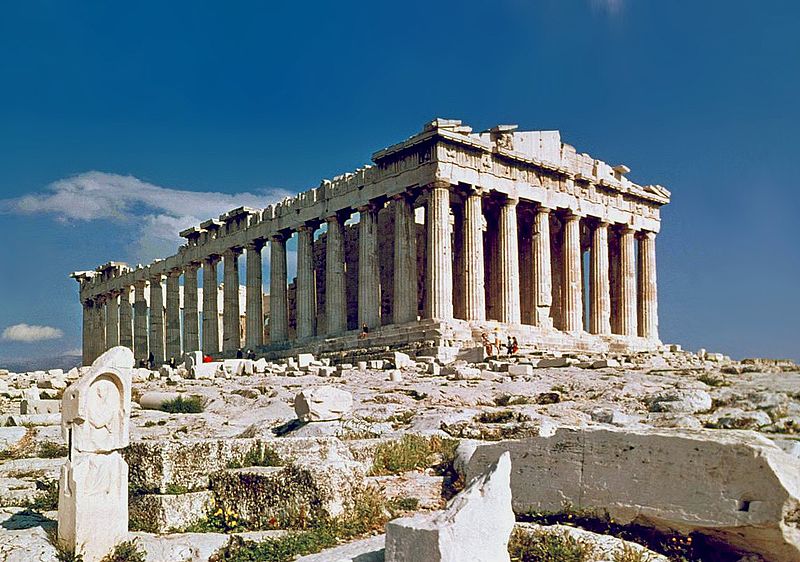
" The Parthenon in Athenos, Greece,
was built for the goddess Athena in 447–432 BC and remained devoted to her cult for nearly a thousand years, later serving as a Christian church and then as an Islamic mosque under the Ottoman Empire." https://en.wikipedia.org/wiki/Place_of_worship
-
Remediation / seeking remedies
-
General Suitability of Gems for Kanya Lagna
-
Kanya 12th-from-Tula =loss of ability to adapt, rebalance, negotiate, compromise

woodcut "Virgo" from Liber Astronomiae
by Fra. Guido Bonatti c. 1277
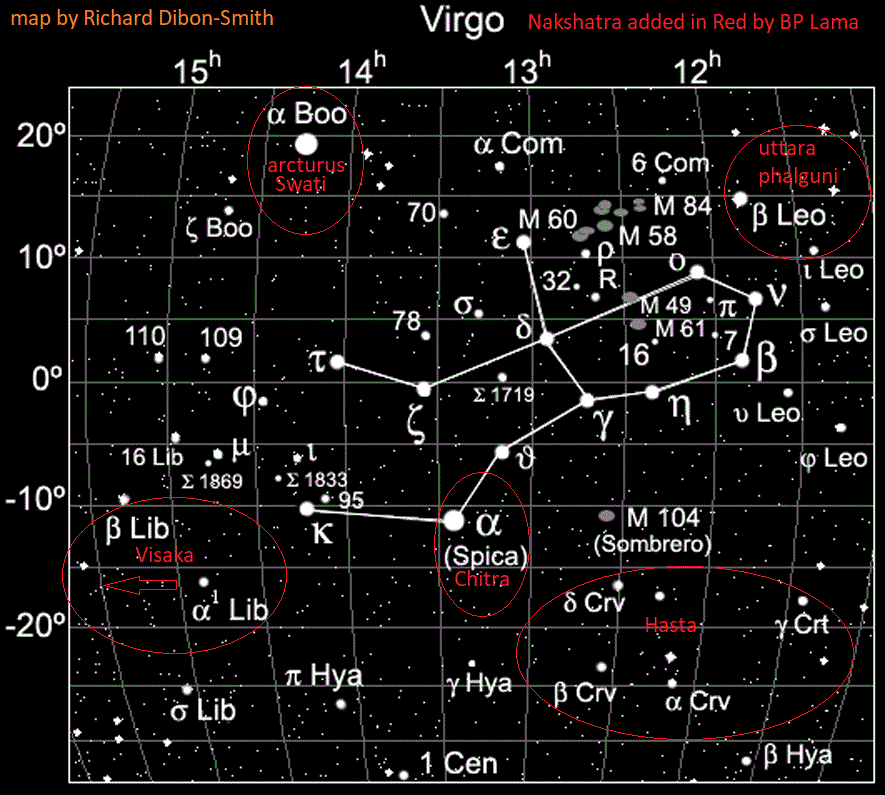
The constellation of Virgo from Richard Dibon-Smith - www.dibonsmith.com/vir_con.gif
nakshatra names in red by BP Lama
Regional Names for Kanya
see also: Rashi names multilingual
Greek = Parthenos (Παρθένος"virgin" )"parthenon"
-
English Virgo
-
French Vierge
-
Italian Vergine
-
Polish Panna
-
Russian Pava
- Kayaka = Kanyaaraazi = Kanni
- Aggana
- Paartha = Paathona
- Plavaga
- Pramadaa
- Ramani = beautiful young maiden, serpent-girl; Ramaniya mistress
- Taruni
- Yuvati = woman, girl

imagery from the exquisite medieval and early renaissance Northern European art collages of the Golden Tarot deck composed by Kat Black
the images from this beautiful deck are copyright US Games Systems and Kat Black


BPHS Sarga 4: 13-14.
" This Rashi is a hill-resorter and is strong in daytime.
-
It rises with its head and has a medium build.
-
It is a biped Rashi and resides in the South.
It has grains and fire in its hands.
-
It belongs to the business community and is variegated.
-
It relates to hurricanes (Prabharanjani).
-
It is a Virgin and is Tamasic (a disposition of demons).
-
Its ruler is Budha. "
QUOTATION from Parashara
" [They] are tall with a slender body.
-
Their eyebrows are covered with hair growth.
-
Their voice is very often thin and sometimes even shrill.
-
They walk quickly and they seldom have a pot belly.
-
As they are very active they often appear younger than their actual age.
The persons with Kanya lagna are fond of quick changes.
-
However, they are very capable of handling even unfavorable situations.
They are thorough, and methodical, practical and discriminative but they lack power.
-
They will have desire to save money.
-
They have sound commercial instinct and they want to grow rich as quickly as possible.
Their married life is not unhappy."
EXAMPLE
-
indriya lagna = Kanya
-
Kanya helper, assistant, ministries of service, medical mentality
-
see also janma-lagna = Chandra-Kanya - comforted by remedial aid = sensitive to logical argument = needs to help
[Kanya - Parthya] specializes in service, imbalance-seeking-a-remedy, disagreement, medical treatment, remedial strategies, argumentation, and the virginal state.
Kanya grievance, complaint, imbalance, problematics, accusation, protest
-
Surya-ruled Uttaraphalguni = Aryaman suggests exploitive conditions which can evoke an argumentative political or theatrical response. Much hand-waving and declaiming. Kanya Chandra planetary patron of 11th-from-1 may contribute a familiar-face public recognition, an increased accusatory logic and a capacity to work with large groups.
-
When Chandra-ruled Hasta - Savitra marks the rising nakshatra, one responds to imbalance-seeking-a-remedy with comforting acceptance, manual caretaking, and soothing routines of service. Hasta has a general preference for a quieter lifestyle of drawing, writing, feeling the rhythms of life, and caring for family. Kanya Chandra planetary patron of 11th-from-1 increases the earning initiative.
- Mangala-ruled Chitra - Spica = Tvastri nakshatra in the indriya-lagna approaches imbalance-seeking-a-remedy with a designer's urge to straighten and correct it. May produce a hand-crafty surgeon, writer, builder, architect, or master planner. Kanya Chandra planetary patron of 11th-from-1 increases the impetus [Mangala] to design new fabrications for large-scale projects such as economies and communities.
Kanya portion of Uttaraphalguni = Aryaman
ruled by brilliant Surya = splendid for politics and entertainment. Often also the Kanya-pada 2-3-4 promote a political commitment to serve the very lowest classes, especially foot-soldiers and the beasts of the Earth [Kanya].
Often some variety of undertow which dissolves the identity or affiliates the Uttaraphalguni native with enclosed, distant, secluded or invisible environments such as a bedroom or sanctuary. Splendid placement for works of the imagination = enhances careers in drama and fine arts.
Surya mūlatrikoṇa = Simha bhava-12 = interiority, distant lands, sanctuary, sacred enclosure, private dealings behind closed doors, enemies of the marriage (12) and those adversarial to alliances (6th-from-7th) meditation, clandestine arrangements, distant lands, dreams, other worlds, fantasies, spiritual guidance, clairsentience, prisons and asylums, the bedroom, hotels, dormitories, enclosures, imagination
***
[pada-2 Makara]
[class-conscious, hierarchical, ranked positioning, timeclock, pyramid, ages-and-stages, sober, architectural, governing, regulator, lawful, structural, stones-and-bones pragmatism.]
[Tula 10th-navamsha Career = brokering, contractual, alliance-building, diplomatic, equalizing, remediating , pleasant, musical, harmonizing, partnering, adjudicating, arranging, balancing, match-making, deal-making.]
-
POTUS-pair-18 Civil War 1826-1902 Julia Dent Grant [Śrāvaṇa svamsha] political partner, entertainment singer-pianist
- Wizard of Oz 1922-1969 entertainer Judy Garland [Śrāvaṇa svamsha] musical arranger, famed singer
***
-
Mughal Emperor 1592-1666 Shah Jahan [Dhaniṣṭha svamsha]
-
Standard Oil 1874-1960 philanthropy John D. Rockefeller [Vaishva svamsha]
-
CBN cororate televangelist 1930-2023 Pat Robertson [Dhaniṣṭha svamsha]
-
POTUS-42 My Life 1946- Bill Clinton [Dhaniṣṭha svamsha]
-
Calif-Gov 1947- Terminator Arnold Schwarzenegger [Sravana svamsha]
[pada-3 Kumbha]
[systematic, gridworked, community-connecting, distributive, interlinked, socio-economic, naetworking, friendly, associative, profitable, goal-achieving.]
[Vrischika 10th-navamsha Career = undisclosing, dangerous, shocking, healing, penetrating, recycling, , explosive, identity-changing, mysterious, transformative, rejuvenating, evolutionary. May be called to leaderdhip during emergencies, dangers, or threats. ]
-
England-King 1491-1547 Henry-8-Tudor [Varuna svamsha]
-
POTUS-32 Fireside Chats 1882-1945 Franklin D. Roosevelt [Dhaniṣṭha svamsha]
-
Syria-Pres 1965- ophthalmologist Bashar al-Assad [Purvabhadra svamsha]
***
-
POTUS-pair-13 Libraries 1798-1853 Abigail Powers Fillmore [Pegasus svamsha]
-
A Room of One's Own 1882-1941 Bloomsbury Virginia Woolf [Dhaniṣṭha svamsha]
-
Pakistan-PM 1953-2007 Daughter of Destiny Benazir Bhutto [Dhaniṣṭha svamsha]
[pada-4 Meena]
[visionary, fantasizing, imaginative, conceptual, contemplative, privately guiding, interior, theoretical, diversifying, developing, inclusive, charitable.]
[Dhanus 10th-navamsha Career = preachy, pontificating, patronizing, inspirational, globalized, optimistic, expansive, believing, ideological, theological, philosophical, principled, indoctrinating. May be called to leadership in teaching of theory or ultimate belief. ]
-
POTUS-20 Universal Education 1831-1881 James Garfield [Purvabhadra svamsha]
blesses the hands, graph-y, drawing-pulling-painting writing instrumentation = ruled by intuitive, parental, ethnic, grounded, agricultural rhythmic Chandra
Chandra's mūlatrikoṇa = Urisha bhava-9
natural philosophy, sacred rhythms, naatural humanism, catechesis, credenda, ideology , theory, first principles, principled beliefs, doctrine, creed, protectionism, universities, faith communities, economic networks (11th from 11th) globalism, patronage, paternalism, world travel, patriarchy, preaching
[pada-1 Mesha]
[pioneering, dominating, active-aggressive, speedy, forceful, conquesting, competitive, athletic, naew, bloody, muscular, innovative, battling, invasive, first-arriver, championship master.]
[Makara 10th-navamsha Career = status-maintaining, hierarchical, institutional, regulatory, governing, directing, legitimizing, ranking, ordering, class-conscious, structuring, lawful, fixed-position, dignified elite. ]
[pada-2 Urisha]
[finance, face, family, food, tradition, treasures, pleasures, speech, song, language, capitalization, sensual values, historical knowledge, sound, color, taste, touch, beauty, cattle, oil, sugar, sweetness, wine, ornaments, music.]
[Kumbha 10th-navamsha Career = community, fundraising, social-participation, gridworking, gainful, economic, scientific, futuristic, naetworking, profitable, collectivist, populist, friendly.]
-
POTUS-pair-06 Adams Family 1775-1852 Louisa Johnson Adams [Rohini svamsha]
[pada-3 Mithuna]
[publicizing, explaining, detailing, mercantile, collaborative, communicative, media-messaging, team-working, tallkative, managing, planning, writing, instructional, neighborly.]
[Meena 10th-navamsha Career = guiding, intuitive, conceptual, abstract, visionary, theoretical, charitable, sleepy, imaginative, contemplative, dreamlike.
-
POTUS-16 Emancipation 1809-1865 Abraham Lincoln [Arudra svamsha]
-
Open Society 1930- capitalist George Soros [Arudra svamsha]
[pada-4 Karkata]
[defensive, nationalistic, rhythmic-algorithmic, worshipping, protective, customary, ritualized, routinized, rutting, tidal, moody, habitual, parental, cultural-agricultural, householding.]
[Mesha 10th-navamsha Career = championship, engineering, first-arriving, invasive, weaponizing, fighter, pioneering, muscular, dynamic, energetic, pushy, conquesting, innovative, fiery, naew-birth.]
-
POTUS-pair-41 + POTUS-43 mother 1925-2018 Barbara Pierce Bush [Pushya svamsha]
-
UK-Queen 1947- Camilla Rosemary Shand [Pushya svamsha]
***
-
POTUS-26 National Parks 1858-1919 Theodore Roosevelt [Aslesha svamsha]
-
Berkshire Hathaway 1930- mutual funds Warren Buffett [Pushya svamsha]
-
UK Earl of Wessex 1964- Edward Mountbatten-Windsor [Aslesha svamsha]
Chitra - Spica = ruled by muscular, moving Mangala
8th from Mangala's mūlatrikoṇa Mesha = secret agency;
Conditions of dematerialization; sexuality seething under the surface; cover-up, camouflage; upheaval; eruptions of hidden force; widowhood or catastrophic divorce;
hidden liaisons; discoveries. inheritance; occult knowledge; sudden, unexpected, forced changes; healing capabilities.
Self-reinvention; rejuvenation; transformation into new identities. Mystical initiation.
***
[pada-1 Simha]
[demonstrating, displaying, creative, artistic, glittering, showy, ceremonial, brightly intelligent, confident, narcissistic, splendidly dramatic, gaming, romantic, political, entitled.]
[Urisha 10th-navamsha Career Reputation = treasures, pleasures, wines, music, visual arts, beauty, luxury, face-eyes-mouth, finance, capitalization, evaluation, assessment, pricing, hoarding, genetics, breeding, cattle, memory, knowledge, speech-song, tradition, ornaments, storage, food.]
-
R-E-S-P-E-C-T 1942-2018 Queen of Soul Aretha Franklin [Purvaphalguni svamsha]
-
Yentl 1942- drama-song-activist Barbra Streisand [Purvaphalguni svamsha]
-
Friends 1969- drama-fashion Jennifer Aniston [Magha svamsha]
[pada-2 helping-calculating Kanya] [DOUBLE KANYA]
[Logistical, analytical, strategic, calculating, ministering, helpful, tactical, assisting, medicating, arguing, complaining, litigious, human services, seva, scandal.]
[Mithuna 10th-navamsha Career Reputation = mercantile, scripted, administrative, project-managing, media-messaging, announcing, writing-publishing, information delivery, radio, television, cinema, internet, advertising, data processing, ensemble production, manual skills, teamwork]
-
Ethica ordine geometrico 1632-1677 Baruch Spinoza [Chitra svamsha]
-
Realm of Light 1874-1947 painter Nicholas Roerich [Aryaman svamsha]
-
Waste Land 1888-1965 publisher T.S. Eliot [Aryaman svamsha]
-
Sound and Fury 1897-1962 novelist William Faulkner [Aryaman svamsha]
-
Turtle Island 1930- poet environmentalist Gary Snyder [Chitra svamsha]
-
Purple Rain 1958-2016 guitarist Prince [Hasta svamsha]
Properties of Kanya Rashi
treasuries of historical knowledge and material wealth
Shukra activates 2nd-from-Kanya and 9th-from-Kanya
dvyAtmaka group = double-natured
manushya group = humane, human-being
Vocabulary for Kanya
-
~~ Koeln Digital Sanskrit Lexicon www.sanskrit-lexicon.uni-koeln.de
Kanya =
- the smallest (opposed to uchcha and madhyama)
- chaste, undefiled
- a girl, virgin, daughter
- to give one's daughter in marriage
- to receive a girl in marriage, marry
- the sign of the zodiac Virgo
- the female of any animal
- name of Durga
-
Aloe Perfoliata
- name of a metre (of four lines, each of them containing four long syllables
Yuvati =
- a girl, young woman,
- any young female animal
- an arrow just shot off
- a youth
- a town with boys, old and young men
- turmeric
- a girl, young woman
- the zodiacal sign Virgo
Pramadaa =
- joy, pleasure, delight
- wanton, dissolute
- mad, intoxicated
- the thorn-apple
- the ankle
- a young and wanton woman
- any woman
- the sign of the zodiac Virgo
- the royal garden or pleasure ground attached to the gynaeceum
- womankind, the female sex
- a woman who has the inspection of a royal pleasure-garden
-
gynaeceum of a prince
- intoxication
- madness, insanity
- negligence, carelessness about
- an error, mistake, awrong reading
- a particular high number
- acting in a careless manner
QUOTATION from T. Subba Row. (1881)."The Twelve Signs of the Zodiac" in Five Years Of Theosophy. George Robert Snow Mead (ed.). London. (1885, 1894).
-
"Mystical, philosophical, theosophical, Historical and Scientific Essays Selected from"The Theosophist" . Available at www.gutenberg.org
" VI. Kanya
-
Means a virgin and represents Sakti or Mahamaya.
-
The sign in question is the sixth Rasi or division, and indicates that there are six primary forces in Nature.
-
These forces have different sets of names in Sanskrit philosophy.
-
According to one system of nomenclature, they are called by the following names *:
-
(1) Parasakty; (2) Gnanasakti; (3) Itchasakti (will-power); (4) Kriytisakti; (5) Kundalinisakti; and (6) Matrikasakti.
-
The six forces are in their unity represented by the Astral Light.**
-
* Parasakti:--Literally the great or supreme force or power. It means and includes the powers of light and heat.
-
Gnanasakti:--Literally the power of intellect or the power of real wisdom or knowledge. It has two aspects."
Karaka significations of Kanya = the unmarried
agriculture, cultivated fields, farming; grains and fruits of the fields; grassy plains, and meadows; physical sustenance through labor; restaurants, food service; manual labor, working classes; teenage girls, female maiden, unmarried female; best qualities of the common female; earthy consciousness; servitude, slavery, exploitation, victims, poverty;
bondage to a person, an idea, or to the land; brothels, prostitution, exploitation; powerlessness (of any class, but represented by the teenage girl); underclass: those minds are imbalance-seeking-a-remedy and labor is underpaid; industries, factories, workplace; nurseries (human and plant), child-care; underpaid and overworked;
rational sciences and scientific argumentation, esp. health sciences; all"lysis "-types of dissolution functions (analysis, dialysis, bacterio-lysis); dissolution of marriage, disagreements, break promise; intellectualism, ana-lysis, literary criticism, arguing;
breaking up of perceptual integrity due to argument/analysis in the mind; medicines, drugs, herbs of field and forest; nursing, physicians, professions in clinical medicine; unfairness,
imbalance-seeking-a-remedy; sensitivity, sickness, disease; self-criticism (a mentality of spinsters and teenage girls); stomach, digestive system, gastro-intestinal illness; strive for perfection /perfectionism; suffering for a noble cause. (~~ this list is broadly adapted from Das )
-
Kumari and Kumara - Girl and Boy expressions of Mercury
-
Lysis = Dissolving; lack of alliance (animosity)
-
tamo-guna
(tamas,inert)
tattva
( = "that-ness "; element)
-
prithivi tattva
(earth element)
Rashi Owner
Budha, mercury, mercure
zirsho-daya = shirasho-daya group
= head-first =
sirasa - head
daya = presentation, delivery, or showing-portion
- Mithuna
- Simha
- Kanya
- Thula
- Vṛścika - Thriketta
- Kumbha
General Traits of Kanya Lagna - Chandra in Kanya
-
imbalance-seeking-a-remedy during Transitions

- disagreement, disenfranchisement, and disease.
- unfair arrangements
- remediation = Seeking remedies
- invalidation
- dissolution of contract, betrayal, cancelled betrothal, divorce, distrust
- disputes, treachery, broken promises; inability to reach agreement
- cheating
- exploitative compromise; prostitution
- accusation; blaming Others; jealousy
-
victimization [being eaten] , debt, guilt, usury
- exploitive work, slavery, jails
-
ministries of service, service professions
- servitude, service workers, lower classes, domestic animals
- karma yoga; Seva
- logical argumentation, problematizing
- enemies, conflict, war and military professions
- medical, social, and chemical pollution; toxicity, addictions
- diet and digestion, illness and medications; medical professions
- purity of the unmarried; dissolution of sexual coupling behaviors; virginity; celibacy
Shukra brings a dhanayoga as ruler of 2 + 9
- Shukra ruled Thula Bhava-2 savings, conservation, capitalization, family assets, banking, treasure-chest, mani (jewels) animal herds, seeds, mobile valuables
- Shani-ruled Makara Bhava-5 gambling, stock market, casino, venture capitalism
- Shukra-ruled Vrishabha Bhava-9 = dharmic perspective grants awareness of resources without the need to earn, save, insure, or gamble.
- Chandra-ruled Bhava-11 = profits, earnings, rents, royalties, dividends, bonus, commission, paycheck, salary, marketplace revenues, income, gain of social - material goals
= necessary (but uncomfortable) transitional phase
Kanya's characteristic imbalance-seeking-a-remedy naturally seeks rebalancing to recover the middle-path via the methods of Medication, mediation, and Remediation .
At the physical level, graha in Kanya may signal a bodily imbalance-seeking-a-remedy involving great weakness, toxic conditions of the flesh, digestive disorders, and particularly states of dizziness or nausea.
At the emotional level, graha in Kanya may be plagued by self-doubt and harassed by enemies.
At the financial level, graha in Kanya 8th-from-11th may signify an upheaval in normal conditions of gainfulness and interruption of profit-making via: exploitation by usurers, poor judgment in financial matters, and apparently un-repay-able debt.
At the level of social relationship, graha in Kanya may have agency of imbalance-seeking-a-remedy expectations that can produce interpersonal conflict and toxic Other-blaming.
Nevertheless, this imbalance-seeking-a-remedy intermediate state = a necessary phase during a maximally difficult pre-incarnationally planned transition for the Divine Self. Kanya represents the specific interim phase :
- from the saturated sthira "unmovable" state of Simha that is regally confident, self-centered, intelligent, and self-sufficient - but also potentially arrogant and prone to hubris
- into the chara "initiating" state of Other-oriented, mutual-benefit, always-bargaining Tula - Vanika which enforces the yogic discipline of availability, awareness and response to the partner
Kanya = the relatively weak, relatively disempowered, static transitional dvisva intermediate zone between Simha's glorious but often excessively egoistic self-centrality into the corrective initiation of true, mutually-responsive human partnership.
From Hubris to Humility
During the cycle of incarnations, when Simha has become over-developed and the ego-membrane is bloated, like all sthira rashi, the Sign of Kings will self-destruct and begin a cycle of rebirth which propels the consciousness into remedial humility of service = Kanya.
Graha in Kanya have agency of transition from a fixed state (Simha, sthira) to an initiating state (Tula, chara). In this rickety and often toxic condition one has relatively little power to change the environment. The exploitive agents within Kanya's environment must be accepted - generally on uncomfortable terms - until one's own role in constructing the unfair arrangements is revealed and released.
Death of the King
Kanya's disenfranchisement is the consequence of its intermediate status. The imperative empowerment of Kingship is gone. Graha in Kanya have evacuated from the self-assuredness of Simha and are now striving for Tula's balance.
This passage marking the death of the king (2nd-from-Simha) is often turbulent, bumpy and uneven.
The Kanya-zone creates a power vacuum which provides many exploitive opportunities for predatory Royal Wannabe's.
Due to the death of entitlements and subconscious awareness that it is going to be a long and winding road toward regaining it (another 10 rashi ahead!) graha in Kanya often acquire a quality of exhaustion and despair.
The not-quite-arrived Kanya graha may produce a physical, mental, emotional, or financial form ofmotion sickness.
The death of the King opens into a scene that features a strong presence of untrustworthy, uncontracted, illegitimate power-seekers who stimulate frustration of the victim yet lacking much power to control external forces.
Kanya-imbalance-seeking-a-remedy is associated with vertigo, naausea and digestive ailments. In frustration with long-lasting conditions of disarray and looking for a quick-fix, Kanya graha (particularly sugary Shukra) may become self-medicating. During a long siege of internal argumentation, Kanya's attempts to right itself during this bumpy ride may produce compensating behaviors such as chemical or sexual addiction.
Best Approach to the Ubhaya Stasis
The best tool to use to resolve Kanya's akashic-memory pattern of inappropriately accommodating, unfair agreements is the logic of Budha. Used assiduously, bantering Budha's neutral and accurate reasoning will quickly expose the false expectations which are creating the imbalance-seeking-a-remedy.
The nature of all karma is ignorance. At the moment of obtaining consciousness of the fact [Budha] that one is indeed creating the conditions of conflict and servitude from the basis of one's own subconscious beliefs and expectations , one may move speedily out of the old contract and into the new confidence.
(" I must remain in this abusive marriage" ;"I should stay in this exploitive job because I won't be able to find anything better" ; I was born with addictive personality" ;"I'm not worthy of fair treatment" ';"All laws are unjust." )
11th-from = Natural Friendship Community-Economy-Sahangha
befriends "Karkata-06" types
-
the home-landers, farmers, home-owners, lands-men, grounds-men
-
parents and caretakers; stewards and custodians; schools and schoolteachers,
-
cultivators, gardeners, harvesters of the foods of the sea
-
those who repeat and defend the customary ethnic habits
-
patriots, defenders of the lifestyle of a settled people
-
nourishers, naurturers, feeders,
-
protectors of the weakest: young and elderly
-
builders of shelter, homes, hogar, hovel
-
those who care for buildings and vehicles
-
the security-oriented, police; boundary-guardians
-
those quietly detached (12th-from) with drama, fashion or politics [Simha]
Kanya often forms a friendly, community-based relationship with one's parents and former schoolteachers [Old Pathways Karkata], by remaining within the network of those who share the customary habits of one's childhood [Karkata]. A friend to the farmer and landsman, thus generally a good neighbor within the community of property-owners [Karkata].
The Moon must be well-situated to support the full development of Community that includes one's parents, teachers, and fellow homesteaders.
General Suitability of Gems for Kanya Lagna
-
Panna = emerald = Budha lagnesha-1 lagnesha = physical vitality + karmesha-10 career, profession, civic duty, public responsibility, high-visibility governance roles
-
Nilamani = blue sapphire= Shani vidya-pati-5 bhagya creative, intelligent, child-generating confidence + rogesha-6 ministries of service, medicine, logical arguments. Wear nilam ONLY during Shani bhukti
-
Hira = diamond = Shukra dharmesha-9 wise, world-traveling, philosophical + dhanapati-2 wealth-attracting, ornaments, sense pleasures, treasuries
-
Surya ratna = no, because Surya activates = dissolving dushthamsha-12 .
-
Chandra ratna = no, generally -- because Chandra = vriddhi-pati-11 . Specific exceptions however for periods of Chandra, see below.
-
Mangala ratna = no-no-no, because Mangala a natural enemy of lagnesha Budha = bhratru-pati-3 and randhresha-8
-
Budha ratna = yes always, because ratna for the lagnesha is always beneficial, as Budha = karmesha-10 boosting career
-
Guru ratna = maybe, if Guru is also a favorable bhava-lord from Chandra, because Guru has a good social-relations portfolio as bandesha-4 and yuvati-pati-7
-
Shukra ratna = yes, unless person is afraid of flesh-death. Shukra = marana-karaka dhanapati-2 and Shukra is also the excellent dharma-pati
-
Shani ratna = yes, with caution - because Shani = vidya-pati-5 and rogesha-6
-
Rahu-ratna = unknown, depends on Rahu's ruler
-
Ketu-ratna = unknown, depends on Ketu's lord
There are exceptions to all of these general rules. Exceptions are caused by the position of Chandra, the active Vimshottari time lords, and Kanya-born 's personal goals inter alia.
Cataloguing Disenfranchisement and the Dissolution of Agreements
In personal life, Kanya-born = prone to carry out "Argumentation Dharma" in marriage and family relations.
-
The common expression of human argument is simply kvetching, complaining, and developing the mental practice of victimology .
-
Argumentation tends to become a repeating litany of reasons why the relationship is unsustainably unbalanced, contractual terms are not capable of being fulfilled, satisfaction is not ever expected to be obtained, etc.
Kanya = defining problems.
Tula = negotiating solutions.
All of Kanya's disabilities can be corrected by intentionally
-
reducing expectations of human intelligence and
-
increasing faith in divine intelligence.
Logos = The Word
-
Similar to Budha's other rashi, mithuna, Kanya is concerned with mental transactions and communication. However Kanya's specialty is the logical categorization of information with the ultimate purpose of Organizing a detailed argument.
-
Kanya nativities = concerned in this life with establishment of the word-based argumentative reasoning process. As a result, Kanya emphasizes the rules of argument in preference to the content of the claims.
-
Kanya = natural analyst WRT nearly any academic discipline or subject matter.
Similar to Chattering Kumara's other rashi, mithuna, Kanya is concerned with mental transactions and communication.
However Kanya's specialty is the logical categorization of information with the ultimate purpose of organizing a detailed argument.
-
The Kanya-lagna native is concerned in this life with establishment of the word-based argumentative reasoning process. As a result, Kanya emphasizes the rules of argument in preference to the content of the claims.
-
Budha-ruled Kanya is a"quick study" who rapidly acquires vocabulary, methodology, and expertise.
-
'victimology' (the problematizing argumentation of ego-attachment to suffering)
Medicine

 Budha = Hermes = the wings on the caduceus
-
Attention to the organization and planning of detailed arguments may lead to vivid success in academic, scientific, and political professions.
-
Diagnosis has an essential intuitive component = Meena; communication between physician and patient = Mithuna; and treatment plan = Kanya. If intuitive Meena is also strong, Kanya can be brilliantly gifted in medical practice .
-
Kanya's ability to inventory and catalogue facts may generate a tremendous knowledge of medicines, treatment modalities, systems of medical thought, and risk factors. (The same medical genius is also often present when several strong graha gather in bhava-6.)
-
Other human services ministry such as social work and police work with criminals is also supported by Kanya problem-solving mentality.

Internal Criticism and Self-Doubt
As the natural sixth rashi, Kanya's position in 12th-from-yuvatisthana = loss of balance, is always problematic. 7th = trust. Self-doubt arises in the human mind, on the basis of a lack of trust.
-
There are many benefits to a well-composed logical argument, but these benefits obtain only when the mind is calm and objective, free of emotional interference. Mixed with even the slightest amount of past-life trauma, guilt, anger, or vindictiveness, the Kanya rashi can become a bitter terrain, littered with the corpses of mental war.
-
The two largest demons of mental health are not anger, grief, addiction, lust or rage - but rather, internal criticism and self-doubt.
-
Except for Budha, who gives very excellent results in Kanya, most graha suffer some negative impact in the sign of"dissolution of agreement" .
Natural communities, friendship networks, and sangha
Karkata: befriends the home-landers, home-owners, parents and caretakers; stewards and custodians;
those less concerned with drama, fashion or politics; schools and schoolteachers, those who care for buildings and vehicles; the security-oriented
Kanya dislikes Kumbha
-
however, budha and Shani are mutually friendly
-
this shad-ashtaka 6-8 challenge-angle = not extremely hostile
-
the Kanya-Kumbha angle exemplifies the permanent tension between"theory" (Kumbha, scientific principles) and"practice" (Kanya, argumentation, logic)
-
one frequent stress point However, when both Kanya and Kumbha are strong in the nativity = the tense relation between mother's siblings [Kanya] versus father's siblings [Kumbha]
6th-from- kanya = Kumbha = things toward which Kumbha is hostile
-
Kanya likes every shade of green and dislikes purple-violet colors [Kumbha]
-
Kanya likes the natural and dislikes the artificial
-
Kanya likes the workplace but dislikes the marketplace (Kumbha, agora)
-
Kanya likes to exploit servants, workers, slaves, employees; and dislikes labor unions, social opportunity movements, and group empowerments [Kumbha]
-
Kanya likes applied science, the medical clinic, physicians, logical disease-treatment plans and properly tested [Budha] drugs; but dislikes theoretical science, curative technologies that utilize the body's electrical network, and irrational or untested popular cure-alls [Kumbha]
-
Parthya likes the servitude of maidens, virgins, bachelors, and unmarried persons who are socially weakened because they lack an equity contract; Kanya dislikes the empowerment provided by networks of friendship, voluntary associations, big participatory gatherings [Kumbha]
-
Kanya prefer s the mother's siblings (6) and dislikes the father's siblings (11)
-
Kanya likes the busy harvest season (6) and dislikes the cold fallow season (11)
-
Kanya likes toxins; and dislikes sterility [Kumbha]
-
Kanya likes the body's digestive system and assimilation of food nutrient and dislikes body's nervous system including the skin
-
Kanya likes discrimination, inequity, accusations, blaming, conflict and dislikes collective consciousness, social scientific viewpoint [Kumbha]
-
Kanya likes poverty; Kumbha likes networks of financial well-being distribution
-
Kanya likes divorce and alienation; dislikes community and friendship
Cleaning the Psychic and Physical Space
H.H. Tenzin Gyatso,
Path to Bliss: A Practical Guide to Stages of Meditation
- Geshe Thubten Jinpa (Trans.), christine Cox (Ed.)
" The environment where you are doing the meditation should be properly cleaned.
While cleaning,
-
you should cultivate the motivation that since you are engaged in the task of accumulating great stores of merit by inviting the hosts of buddhas and bodhisattvas to this environment, it is important to have a clean place.
-
You should see that all the external dirt and dust around you is basically a manifestation of the faults and stains within your own mind.
-
You should see that the most important aim is to purge these stains and faults from within your mind.
Therefore, as you cleanse the environment, think that you are also purifying your mind.
Develop the very strong thought that by cleaning this place you are inviting the host of Buddhas and Bodhisattvas who are the most supreme merit field,
and that you will subsequently engage in a path that will enable you to purge your mind of the stains of delusions."


[How Readings Work] [Sample Sacred Jewels Ratna Recommendation] [Seva]
 file update =
21-Apr-2024
file update =
21-Apr-2024
[Copyright © 1994-2024 by Barbara Pijan Lama] [Contact] [How to Request a Jyotishavidya Reading]
Barbara Pijan Lama Jyotishavidya Vedic Astrology Surya Sun Chandra Moon Mangala Mars Budha Mercury Guru Jupiter Shukra Venus Shani Saturn Rahu Ketu Graha Planets Dasha Timeline Calendar Nakshatra Navamsha Marriage Children Treasury Career Spiritual Wisdom Cycles of re-Death and re-Birth
The information on barbarapijan.com , including all readings and reports, is provided for educational purposes only. Wishing you every happiness and continuing success in studies!
"In all your designs you will succeed,
and light will shine on your path."
~~ Book of Job = Iyyov, 22:28
