
Vimshottari Dasha - Rashi - Gochara - Bhava - Graha - Ratna - Nakshatra - Amsha - karaka - Varga - Bala
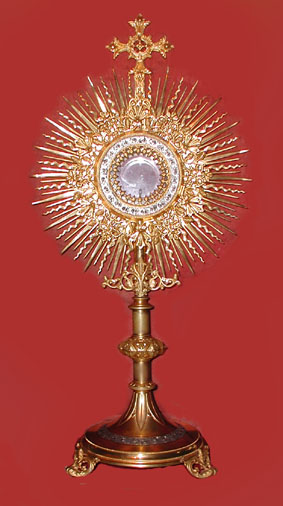
monstrance demonstrator
from Roman-Rite adherent liturgy = mons =show
lagnesha for Simha indriya-lagna
General Suitability of Gems for Simbha Lagna
Financial Bhava for Simha indriya-lagna
12 sthāna measured from Simbha
Vimshottari Dasha general social-material effects for Simha indriya-lagna
Simha rashi contains three na-kshatra
-
Magha - Regulus [pada 1-2-3-4]
-
Pūrvaphalgunī - Yonī [pada 1-2-3-4]
-
Uttaraphalgunī - Aryaman [pada-1]

" As leon is the king of bestes."
~~John Gower, Confessio Amantis, 1390

OM grinih Surya ya namah
OM hram hrim hraum sah Surya ya namah
OM Hariharaya Balamukundaya Namah
OM klin bhraman jagat adharaye namaha
√ सह् = able, empowered
सिंह siṃha
Simha
Simbha - Sinha - Singha
सिंह siṃha = lion, hero, powerful
हरि hari = sun, lion, tawny-yellow
लेय leya = Gk. λέων
हर्यक्ष hary- ṣa = yellow-eyed
आरण्यराशि āraṇya-rāśi = rashi of forest animal
intel-lect = choosing between
Leonis
Felidae - Felix
Lynx - Lev - Lav
Oroszlán - Aslan - al-Asad
Civilizations of the Leonid races
"the idea is better than reality"
Simha sparkle, display, regal entitlements, brilliance, pageantry
showmanship, entitlement, self-confident, self-referential authority
QUOTATION BPHS
" ... Simha has well developed bones and a broad forehead.
He is of moderate stature, well built and muscular .
-
His appearance is dignified, imposing and commanding.
Persons born with this lagna are generally noble, large hearted, magnanimous and generous.
-
They are helpful to mankind.
They have great faith in friends and relatives .
They become head of the organization with which they are connected.
-
If they are in government or any commercial organization, they attain high positions there.
They do not talk much.
They are fond of authority and are brilliant and ambitious.
-
They are firm in their thinking and attitudes.
-
When they are angry, they roar like lions.
They are spendthrifts .
They have capacity to face adverse circumstances.
They want to maintain their authority in their household.
-
Very often their married life is not happy .
They enjoy sound health if there are no bad influences on the lagna or Ravi, the lord of this lagna."
[end quote]

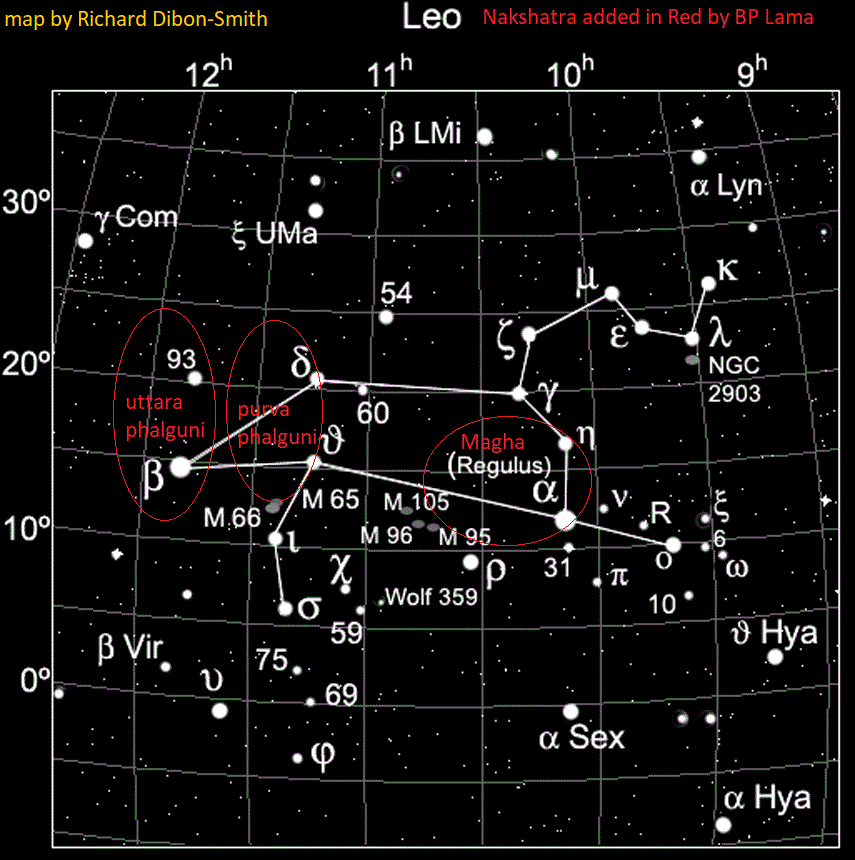
The constellation of Leo from Richard Dibon-Smith
www.dibonsmith.com/leo_con.gif
nakshatra names + boundaries = in red by BP Lama
Magha - Regulus ++ Pūrvaphalgunī - Yonī ++ Uttaraphalgunī - Aryaman
Regional Names for Simha
-
see also: Rashi names multilingual
-
Greek = Leon = έων lion
-
Hindi - Rajasthani: Sinh
-
Nepali : Singh
- Hari = Haryaksha = Haryamsha
- Kanthirava
- Mrigaraaja = Mrigaripu = Mrigendra = Mrigezvara
- Leya
- Panchasyam
- Singa = Singh = Singha
BPHS Chapter 4
12 Properties of Simha Rashi
" Simha is ruled by Surya and is Sattvic.
-
It is a quadruped Rashi and a royal Rashi.
-
It resorts to forests and rises with its head.
-
It has a large, white body.
It resides in the East and is strong during daytime." [end quote]
EXAMPLE
-
Simha = indriya-lagna
-
see also: Simha in janma lagna = Simha Chandra
[Simha - Leya] specializes in radiance, splendor, royalty, self-entitlement, divine intelligence, centrality, celebrity, creativity, politics and drama.
Rising nakshatra = Ketu-ruled Magha - Regulus
- unique personalities may radiate a fiery, other-worldly, magical Witness intelligence that is not controlled by material form.
Shukra-ruled Pūrvaphalgunī - Yonī
- artistic beauty expresses via politics, drama, celebrity, royalty, fashion, costume and song.
Surya-ruled Uttaraphalgunī - Aryaman
- Double-Surya.
- may produce an entitled figure, such as celebrity, gambler, politician, literary dramatist, dramatist, speculator, or royal personage
Simha pada 1-2-3-4
Ketu mūlatrikoṇa = Mesha 9th from Simha = high priest, sacred perspectives, holy doctrine, philosophy, theory, first principles, world travel.
chidra-karaka Ketu = not much interested in marriage. Ketu Cuts the Cords that bind the material perceptions. Fiery magic dispersed by glittering winds of Ketu. Professor Ketu freely travels about the universes and often disregards fixed dogma. Generally prefers a celibate lifestyle or in any case as disconnected or independent as possible. Outcomes from Ketu.
[Regulus-pada-1 Mesha]
[pioneering, dominating, active-aggressive, speedy, forceful, conquesting, competitive, athletic, new, bloody, muscular, innovative, battling, invasive, first-arriver, championship master.]
[Makara 10th-navamsha] Career Reputation =
status-maintaining, hierarchical, institutional, regulatory, governing, directing, legitimizing, ranking, ordering, class-stratified , structuring, lawful, fixed-position, dignified elite. ]
-
POTUS-pair-26 Whitehouse Restoration 1861-1948 Edith Carow Roosevelt [Kṛttikā svamsha]
[Regulus-pada-2 Urisha]
[finance, face, family, food, tradition, treasures, pleasures, speech, song, language, capitalization, sensual values, historical knowledge, sound, color, taste, touch, beauty, cattle, oil, sugar, sweetness, wine, ornaments, music.]
[Kumbha 10th-navamsha] Career Reputation =
community, fundraising, social-participation, gridworking, gainful, economics, distribution systems, marketplace revenues, associative webs, scientific, futuristic, networking, profitable, collectivist, popular causes, interlinked, friendly.]
-
Hugging Saint 1953- Ammachi of Kerala [Rohiṇī svamsha]
-
UK-Princess 2021- Lilibet Diana Sussex [Rohiṇī svamsha]
[Regulus-pada-3 Mithuna]
[publicizing, explaining, detailing, mercantile, collaborative, communicative, media-messaging, team-working, tallkative, managing, planning, writing, instructional, neighborly.]
Meena 10th-navamsha] Career Reputation =
guiding, intuitive, conceptual, abstract, visionary, symbolic, wholistic, amorphous, privately-guided, vague, charitable, sleepy, imaginative, contemplative, dreamlike.]
-
POTUS-pair-02 Letters 1744-1818 Abigail Smith Adams [Mriga svamsha]
-
POTUS-pair-30 Deaf Schools 1878-1957 Grace G. Coolidge [Punarvasu svamsha]
***
-
Autobiography of a Yogi 1893-1952 Swami Yogananda [Punarvasu svamsha]
-
14th Dalai Lama 1935- Policy of Kindness Tenzing Gyatso [Punarvasu svamsha]
[Regulus-pada-4 Karkata]
[defensive, nationalistic, rhythmic-algorithmic, worshipping, protective, customary, ritualized, routinized, rutting, tidal, moody, habitual, parental, cultural-agricultural, householding.]
[Mesha 10th-navamsha] Career Reputation =
championship, engineering, first-arriving, invasive, weaponizing, fighter, pioneering, muscular, dynamic, energetic, pushy, conquesting, innovative, fiery, new-birth .]
Simha pada 1-2-3-4
Shukra's mūlatrikoṇa Tula = commercial 3rd counted from Simha
media industry, entourage, ensemble performance, meetings, schedules, siblings, correspondence, event-planning , presentations, cohort, teams, business, corporate department, travel itineraries, tour group, writing,
publications, photography , scripts, song-writing, short presentations and productions, slogans and jingles, announcements, newspaper, evangelism , cinema, advertising, marketing . Outcomes from Shukra.
**********
[Yonī-pada-1 Simha]
[DOUBLE SIMHA]
[demonstrating, displaying, creative, artistic, glittering, showy, ceremonial, brightly intelligent, confident, narcissistic, splendidly dramatic, gaming, romantic, political, entitled.]
[Urisha 10th-navamsha] Career Reputation =
treasures, pleasures, wines, music, visual arts, beauty, luxury, face-eyes-mouth, finance, capitalization, evaluation, assessment, pricing, hoarding, storytelling, genetics, breeding, cattle, memory, knowledge, speech-song, tradition, ornaments, storage, food.]
-
Runaway Bride 1967- drama-commerce Julia Roberts [Aryaman svamsha]
-
Zorro 1969- drama-commerce Catherine Zeta Jones [Yoni svamsha]
-
drama-commerce 1978- Katie Holmes [Yoni svamsha]
***
-
France-King 1638-1715 le Roi Soleil Louis-XIV Quatorze
-
Gitanjali 1861-1941 polymath Rabindranath Tagore [Yoni svamsha]
-
The Tower 1865-1939 Symbolist poetry William Butler Yeats [Magha svamsha]
-
POTUS-29 Teapot Dome 1865-1923 Warren G. Harding [Aryaman svamsha]
-
Jungle Book 1865-1936 Empire Rudyard Kipling [Yoni svamsha]
-
POTUS-38 Time to Heal 1913-2006 Gerald R. Ford [Yoni svamsha] ??
-
POTUS-35 Profiles in Courage 1917-1963 John F. Kennedy [Aryaman svamsha]
-
Layla 1945- guitarist Eric Clapton [Pūrvaphalgunī svamsha]
[Yonī-pada-2 helping-calculating Kanya]
[Logistical, analytical, strategic, calculating, ministering, helpful, tactical, assisting, medicating, arguing, complaining, litigious, human services, seva, scandal.]
[Mithuna 10th-navamsha] Career Reputation =
Solar genius for mercantile, process-product manufacturing, sales, scripted, administrative, project-managing, media-messaging, announcing, writing-publishing, information delivery, radio, television, cinema, internet, advertising, data processing, ensemble production, manual skills, teamwork]
-
Old Time Music 1929-2003 comedy June Carter Cash [Aryaman svamsha]
-
Cleopatra 1932-2011 AIDS activist Elizabeth Taylor [Chitra svamsha]
-
Sans attendre 1968- chanteuse compositrice Celine Dion [Aryaman svamsha]
-
Devdas 1973- drama-fashion Aishwarya Rai [Hasta svamsha]
***
-
My Fair Lady 1908-1990 musical theatre Rex Harrison [Chitra svamsha]
-
Basic Instinct 1944- drama-commerce Michael Douglas [Aryaman svamsha]
-
Calif-Gov 1947- Terminator Arnold Schwarzenegger [Aryaman svamsha]
[Yonī-pada-3 arranging-diplomatic Tula]
[negotiating, brokering, adjusting, equity, attorney, advocacy, accommodating, graciously arranging, pleasant, diplomatic, deal-making, trust-building, dithering, compromising, contractual, balancing, fair-deals, trade.]
[Karkata 10th-navamsha] Career Reputation =
tribal, ethno-national, agricultural, customary, fluctuating, iterative, pulsing, border-defense, wall-builder, farmer, sustains a way-of-life, marine, protective, Caretaking, ritualized. rhythmic/algorithmic, stays in the ancient ruts, building, property-owning, transport ]
-
POTUS-pair-34 Military Families 1896-1979 Mamie Doud Eisenhower [Viśākha svamsha]
-
POTUS-pair-45-47 fashion 1970- Melanija Knavs Trump [Chitra svamsha]
[Yonī-pada-4 = secretive-revealingVrischika]
[transformative, identity-changing, mysterious, eruptive, shocking, penetrating, recycling, secret-keeping, revolutionary, healing, disguising, discovering, hidden-power.]
[Simha10th-navamsha] Career Reputation =
political, theatrical, entitled, ceremonial, creative, idealistic, flamboyant, games, genius, romance, artistic performance, fashion-style, solar-energy, central attention-getter, glittering radiance, demonstrating, bright display]
-
POTUS-pair-22-24 Needlework 1864-1947 Frances Folsom Cleveland [Viśākha svamsha]
-
Out on a Limb 1934- drama-esoterica Shirley MacLaine [Jyeṣṭha svamsha]
-
UK-socialite 1959- Sarah Ferguson [Viśākha svamsha]
***
-
POTUS-15 Oregon Treaty 1791-1868 James Buchanan [Jyeṣṭha svamsha]
-
Easy Rider 1936-2010 art-collections Dennis Lee Hopper [Viśākha svamsha]
Simha pada-1 = double Surya-ruled
Surya's mūlatrikoṇa Simha = 1st counted from Simha indriya-lagna
iconic self, radiant charismatic center of attention, showmanship, solipsistic, earthen-body brightness, creativity, intelligence, regal entitlements, dramatic, literary and political brilliance. Outcomes judged from Surya.
Intensely confident ideological politics.
[Aryaman-pada-1 Dhanus]
[ideological, dogmatic, doctrinal, righteous, convinced, globalist, pontificating, inspirational, optimistic, believing, principled, preachy, patronizing, patriarchal, sacerdotal.]
[Kanya 10th-navamsha] Career Reputation =
ministering, methodical, master of logical argumentation, complex calculations, assistive, accusing, complaining about poverty-crime-disease, analytical, aggrieved of unfair conditions, medicating, military, helping, laboring.]
-
Formula One 1980-2013 test driver Maria de Villota racing cars [Mūla svamsha]
***
-
POTUS-02 Thoughts on Government 1735-1826 John Adams [Mūla svamsha]
-
POTUS-38 Time to Heal 1913-2006 Gerald R. Ford [Mūla svamsha]
-
Berkshire Hathaway 1930- mutual funds Warren Buffett [Pūrvāṣāḍhā svamsha]
-
Super Brain 1946- media-commerce Deepak Chopra [Mūla svamsha]
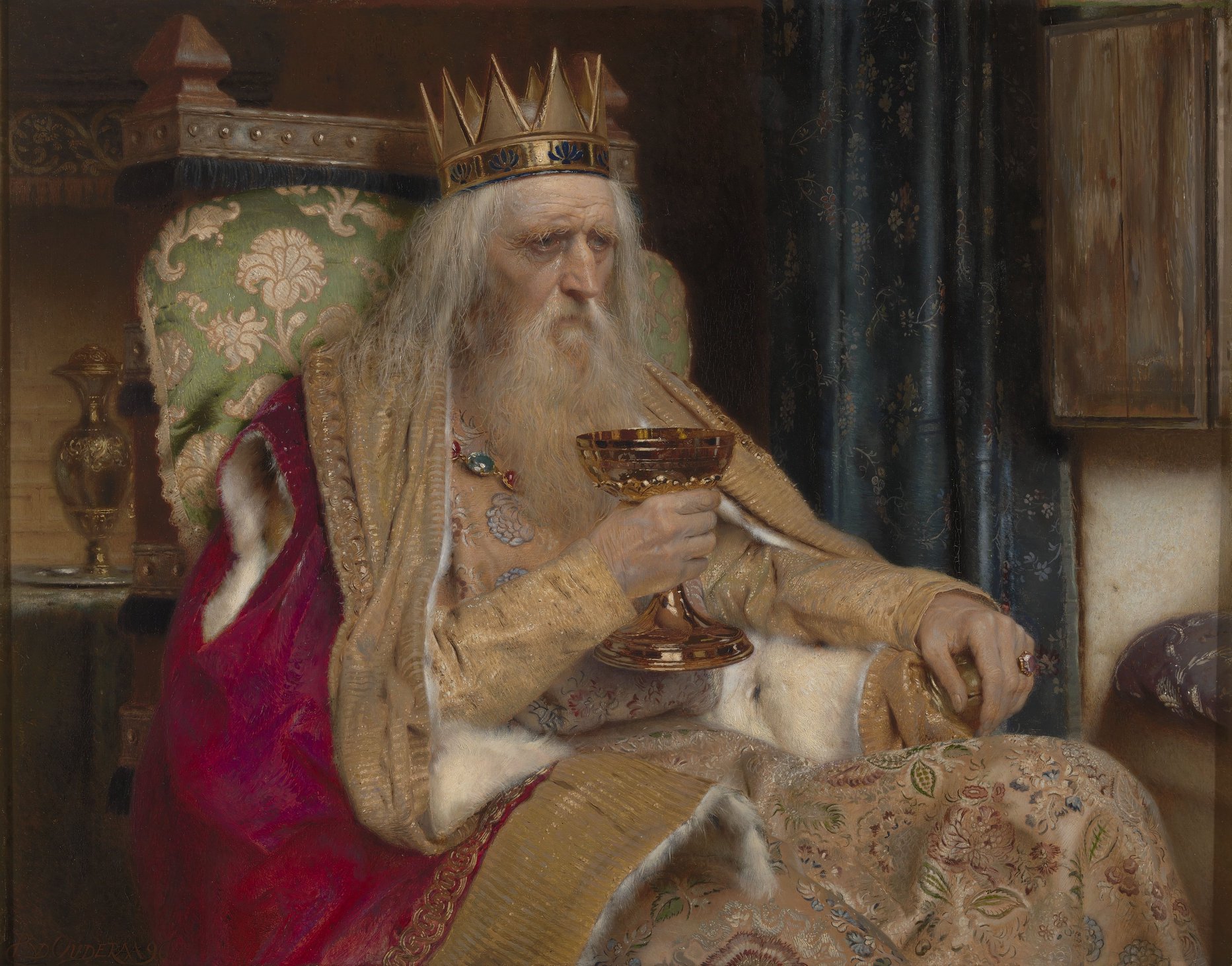
De Koning van Thule = The King of Thule
1896, by Pierre Jean Van der Ouderaa
collection of Gasbeek Castle, Lennik, Belgium
QUOTATION
Das / Behari
" Simha .... bestows a regal appearance, as if the life-force were vibrating from every part of your body .
You have a broad face with strong bones, beautiful and expressive eyes.
You may be possessive parent, egotistical and selfish in temperament, and a braggart .
-
You are excessively libidinous but not necessarily promiscuous.
You are not satisfied with the material heights you attain and are always aspiring towards greater intellect, greater wealth, greater status, and greater respectability.
Often you think you have achieved more than you really have; nevertheless, you are never satisfied, for you think you deserve more than you have received. You always strive to reach the top of the mountain.
-
You are basically materialistic but like to assume that you are spiritually highly evolved.
Involvement in work is intense and whole-hearted.
You may be seen working adroitly on the subtle problems of life, whether related to physical sciences, psychology, or to concrete and technological problems in engineering, industry or economics.
-
It is not the subject matter that is significant: your complete involvement in whatever you undertake is of supreme importance to you . In that pursuit, your engagement of effort is total.
There is a suddenness in your actions which gives your an element of surprise and unpredictability.
However, in volved you may seem in a pursuit or relationship, you can suddenly end it.
You are loyal to your friends, but that friendship can end suddenly.
-
To some people you may seem ungrateful.
The world exists only for your convenience and the satisfaction of your desires.
In your social relationships, contradiction and self-aggrandizement seem to predominate.
You may find married life difficult.
-
Your spouse is very calculating and self-centered - which are some of Leo's traits as well.
-
Compatibility becomes difficult.
-
In such circumstances, you often act in a clandestine manner, concealing certain aspects of your life.
You do not trust others :equal partnership is not a common factor in your life. ... gives rise to wealth in mutual combination.
-
The Sun rules the Ascendant, mercury lord of wealth and Mars is of course Yoga karaka .
-
Thus all the three planets have acquired some power or other to do good.
It will be seen that the Sun, mercury and Mars play an important role in case of persons born in Leonis Ascendant , while other planets will be able to do some good under certain special conditions.
.... Fond of eating meat and enjoying worldly enjoyments, will earn wealth and honor through the government,
bereft of religion, dutiful in family affairs, hold a high rank of office,
be majestic, strong, bold,
speak sparingly, amiser, will trouble others,
-
will wander in hills and forests, be irascible, firm in friendship, careless, inaccessible (or inviolable), will destroy his enemies, have famous sons, honor the virtuous, rich through agriculture etc.,
-
interested in business and will spend heavily on prostitutes and dancers.
-
Spouse will suffer dental diseases."
[end quote]
Vocabulary for Simha
-
~~ Koeln Digital Sanskrit Lexicon www.sanskrit-lexicon.uni-koeln.de
Haari
-
bearing, carrying
-
a caravan
-
losing a game (in gambling)
-
captivating, charming, beautiful
-
to be yellow or green
-
fawn-coloured, reddish brown, brown, tawny,
-
pale yellow, yellow, fallow, bay (esp. applied to horses),
-
green, greenish
yellow or reddish brown or green (the colour)
-
-
a horse, steed (esp. Of Indra)
-
a lion; the sign of the zodiac Leo
-
the sun; a ray of light; the moon
-
a monkey
-
a jackal; a parrot; a peacock;
-
the Koil or Indian cuckoo; a goose; a frog; a snake
the wind, nam of Vayu (god of the wind)
-
-
to take away or remove evil or sin
-
a mountain
-
of a world
-
of a metre
-
of a partic. high number
-
name of the mythical mother of the monkeys
Simha
-
the powerful one
-
a lion
-
the zodiacal sign Leo or its Lagna
-
a hero or eminent person
-
chief or lord of
-
to express excellence of any kind
-
" prince, king"
-
the king of Naga-pura
-
a partic. Form of temple
-
a partic. place prepared for the building of a house
-
a Moringa with red flowers
-
(in music) a kind of tune
-
the symbol or emblem of the 24th Arhat of the present Avasarpini
-
Name of a son of Krishna
-
a king of the Vidya-dharas
-
of the Venkata mountain
-
of various other persons, buddha
mRga = forest animal or wild beast;
ripu = enemy (Lion = enemy of Beasts)
QUOTATION from ~~ T. Subba Row. (1881)."The Twelve Signs of the Zodiac" in Five Years of Theosophy. George Robert Snow Mead (ed.).London. (1885, 1894).
"Mystical, philosophical, theosophical, Historical and Scientific Essays Selected from The Theosophist. Available at www.gutenberg.org
" V. Simha.
This word contains a world of occult meaning within itself; and it may not be prudent on my part to disclose the whole of its meaning now. It will be sufficient for the present purpose to give a general indication of its significance.
-
Two of its synonymous terms are Panchasyam and Hari , and its number in the order of the Zodiacal divisions (being the fifth sign) points clearly to the former synonym.
This synonym--Panchasyam -- shows that the sign is intended to represent the five Brahmas -- viz., isanam, aghoram, tatpurusham, Vamadevam, and Sadyojatam: -- the five Buddhas.
-
The second synonym shows it to be Narayana , the Jivatma or Pratyagatma.
The Sukarahasy Upanishad will show that the ancient Aryan philosophers looked upon Narayana as the Jivatma.*
The Vaishnavites may not admit it. But as an Advaiti, ilook upon Jivatma as identical with Paramatma in its real essence when stripped of its illusory attributes created by Agnanam or Avidya--ignorance.
( = In its lowest or most material state, as the life-principle which animates the material bodies of the animal and vegetable worlds, and c. --Ed. Theos.)
The Jivatma is correctly placed in the fifth sign counting from Mesham, as the fifth sign is the putrasthānam or the son's house according to the rules of Hindu Astrology.
-
The sign in question represents Jivatma -- the son of Paramatma as it were.
-
(I may also add that it represents the real Christ, the anointed pure spirit, though many Christians may frown at this interpretation.)*
I will only add here that unless the nature of this sign is fully comprehended it will be impossible to understand the real order of the next three signs and their full significance.
-
The elements or entities that have merely a potential existence in this sign become distinct separate entities in the next three signs.
-
Their union into a single entity leads to the destruction of the phenomenal universe, and the recognition of the pure Spirit and their separation has the contrary effect.
-
It leads to material earth-bound existence and brings into view the picture gallery of Avidya (Ignorance) or Maya (Illusion).
If the real orthography of the name by which the sign in question is indicated is properly understood, it will readily be seen that the next three signs are not what they ought to be.
( = Nevertheless it is a true one. The Jiv-atma in the Microcosm (man) is the same spiritual essence which animates the Macrocosm (universe), the differentiation, or specific difference between the two Jivatmas presenting itself but in the two states or conditions of the same and one Force.
Hence, "this son of Paramatma" is an eternal correlation of the Father-Cause. Purusha manifesting himself as Brahma of the "golden egg" and becoming Viradja--the universe.
We are "all born of Aditi from the water" (Hymns of the Maruts, X. 63, 2), and "Being was born from not-being" (Rig-Veda, mandala I, sukta 166).--Ed. Theos.)" [end quote]
Professor Budha produces Dhanayoga = Budha rules 2 + 11
- Budha-ruled Kanya Bhava-2 savings, conservation, capitalization, family assets, banking, treasure-chest, mani (jewels) animal herds, seeds, mobile valuables
- Guru-ruled Dhanus Bhava-5 gambling, stock market, casino, venture capitalism
- Mangala-ruled MeshaBhava-9 = dharmic perspective grants awareness of resources without the need to earn, save, insure, or gamble.
- Budha-ruled Mithuna Bhava-11 = profits, earnings, rents, royalties, dividends, bonus, commission, paycheck, salary, marketplace revenues, income, gain of social - material goals
Meanings for Simha = Simbha *Singha
Heart and Spine
The spine (Singha) encases the primary antenna of the human body, which is the kundalini channel in its physical and non-physical dimensions.
Information triangulates from the human heart to the galactic sun, and from the galactic sun to Surya, and from Surya to the human heart.
Surya the Sun of Earth is a receiver station for the information streams which emit from the huge black hole of the galactic sun.
Surya is the primary radiator of information to Earth and its beings. Surya is the fountainhead of consciousness. When Surya is strong in Simha or in Mesha, self-confidence (or self-righteousness) can be brilliantly charismatic because the Simha channel is surging with radiance.
When Simha enjoys inhabitants that are compatible with Surya such as friendly Guru or friendly Mangala, then the intelligence channel is favored by expansion [Guru] or dynamic energy [Mangala].
Simha = I've Been to the Mountain Top = Suraja the Divinely Appointed King
en.wikipedia.org/wiki/I've_Been_to_the_Mountaintop
Light of Truth shines brightly
high places, peak experience, brilliant entertainment,
political power, celebrity events, summit meetings, royal enthronement
Radiance, confidence, autocracy
Drama, creative Performance
mountains and mountaineers
-
satva-guna = Satvas = truthful, pure, balanced
tattva = " that-ness " , element
-
tajas tattva = fire element
Owner
- Surya the Sun, ravi, le soleil
zirsho-daya = shirsho-daya group
= head-first =
daya = presentation, delivery, or showing-portion
-
Mithuna
-
Simha
-
Kanya
-
Tulā
-
Vṛścika
-
Kumbha - Ghata
General Traits of Simha indriya-lagna = Chandra-Simha
Heart =
-
Compassion
-
Divine Right
-
celebrity and celebration
-
nobility, entitlement of Kings
-
charisma, brilliance, being in the center, attention, fashion, glamour, and applause
-
Righteous and self-righteous
-
fiery-red
-
Psychic Centers of the human body: heart , eyes and the "I"
-
showy, egoic-mind intensive
-
confident or self-important
-
kingly or self-appointed royalty
-
brilliant or narcissistic
-
creative or appropriates shared resources to self
-
Divinely inspired or self-righteous
-
political always
-
genius or self-aggrandizing
-
commanding attention
-
hot-tempered, vain
-
6th-from-Simha = Makara rule of law, strict hierarchies, age, bones
Material Values and Treasuries of Wealth
accumulated treasuries of valuable goods and conserved knowledge from Budha = lord of 2nd from Vrishabha
General Suitability of Gems for Simha indriya-lagna
-
Surya ratna = yes, almost always, because Surya = the auspicious lagnesha and Ravi does not rules any other house
-
Chandra ratna = no, because Chandra = ruler-of-12 identity-dissolver and Chandra does not rules any trinal bhava
-
Mangala ratna = yes, almost always, because Mangala is a
[yogakaraka] from the Simha indriya-lagna = bandesha-4 and Dharmesha-9
-
Budharatna = no, although Budha is a mani-money-maker, because Budha = dhanapati-2 and vriddhi-pati-11 . During Budha bhukti, gems are not recommended - do Seva to increase your gains.
-
Guru ratna = probably yes, because Guru = bhagya vidya-pati-5 - but also the sudden changes agent randhresha-8 . Check bhava-8 before wearing a pukhraj.
-
Shukra ratna = probably no, because Shukra = bhratru-pati-3 and karmesha -10 = and one-to-one Shukra is an enemy of one-to-many Surya During Shukra bhukti, gems are not recommended - do Seva to increase your public respect (10) and commerce (3).
-
Shani ratna = no-no-no - because rigid, austere Shani rules-6 and samatā-pati-7= and Shani is a bitter enemy of Surya
-
Rahu-ratna = unknown, depends on risk-rewarding Rahu's ruler
-
Ketu-ratna = unknown, depends on Ketu's lord
There are exceptions to all of these general rules. Exceptions are caused by the position of Chandra, the active Vimshottari time lords, and the Learner's personal goals inter alia .
Surya ++ Shukra-Singha lagna
Raja Yoga for Simha indriya-lagna
-
India-PM 1944-1991 Rajivaratna Gandhi
-
Joan Bennett Kennedy (1935)
QUOTATION from BPHS, sarga-4 0, shloka 13
An exchange of Rashi between Karma's Lord and Lagna's Lord
will make the native associated with the king in a great manner.
QUOTATION from BPHS, Sarga-5, shloka 41
If the ruler of the Lagna and the 10th exchange houses with each other, the n they form a Raja Yoga.
They will confer high position, reputation and power. [end quote]
11th-from = Natural Friendship Community-Economy-Sahangha
befriends / Mithuna-03 types
the talkative; chatterers; reporters of the superficial and temporary mental state
writers, journalists and story-tellers; neighbors and siblings; team, entourage, ensemble performers, work-group;
those in media-production; films, radio, advertising, scheduling;
commercialists, business administrators "the office"
hand-crafters, masters of gesture, signalers, messengers, angelic announcers, evangelists
gifted with communicative touch
the sexualized and conversationally fluent; one's own siblings and cousins;
the narrative-oriented, tale-tellers, raconteurs
those disconnected (12th-from) with security, rhythm, the customary routine [Old Pathways Karkata]
the best friends of Simha Learners are typically one's own sibling-cousins. Numerous temporary friendships with commercial and administrative team-mates; Yet, these are not deep.
Often Simha enjoys a friendly and gainful relationship with the spouse of one's own eldest child (11) as well.
Special Sparkling Simha issues in Marriage
-
both kalatrakaraka Shukra
-
and samatā-pati-7Shani
= enemies of lagnesha Surya
Simha = the saturated sthira "unmovable" state of Simha - Leya that is regally confident, self-centered, intelligent, and self-sufficient - but also potentially arrogant and prone to hubris.
Marital challenges for Simha indriya-lagna include:
lagnesha Surya = Radiant Self
-
Simha = a proud, politicized, distinctively Egoic-Minded personality. Learners may become a great exponent of divine intelligence e.g. Autobiography of a Yogi 1893-1952 Swami Yogananda, but the vehicle of delivery for this intelligence will be nevertheless a royally charismatic personal style.
-
Surya = enemy of Shani. Learners may be born with entitlement to receive an inordinate (non-ordered-Shani) amount of center-stage attention.
Sober, system-distributor Kumbha-Shani= samatā-pati-7= enemy of central Professor Surya
-
(see bhava-7 for Simha, below)
Balancing Shukra = kalatrakaraka = enemy of central Professor Surya
-
Shukra as karaka for the social harmony of marriage (for women) and as karaka specifically for the wife (for men) tends to siphon attention away from the Simha center..
Simha Chandra = emotional need to be holding the center of attention .
For feminine Learners, relationships that do not focus intently upon the Simha-Chandra sparkling center may cause jealousy.
-
E.g., the husband's work relationships, sibling relationships, his own worship or doctrinal commitments, sangha relationships, his parents.
for Husbandly Learners, the Wifely-companion's gracious diplomacy and skill in maintaining a network of social relationships may threaten his personal need to be the constant center of her loving attention.
[How Readings Work] = [Sample Sacred Jewels Ratna Recommendation] = [Seva]
 file update =
07-Jun-2026
file update =
07-Jun-2026
[Copyright © 1994-2034 by Barbara Pijan Lama] = [Contact] = [How to Request a Jyotishavidya Reading]
Barbara Pijan Lama Jyotishavidya Vedic Astrology Surya Sun Chandra Moon Mangala Mars Budha Mercury Guru Jupiter Shukra Venus Shani Saturn Rahu Ketu Graha Planets Dasha Timeline Calendar Nakshatra Navamsha Marriage Children Treasury Career Spiritual Wisdom Cycles of re-Death and re-Birth
The information on barbarapijan.com , including all readings and reports, is provided for educational purposes only. Wishing you every happiness and continuing success in studies!
Walk while you have the light , lest darkness overtake you.
The one who walks in the darkness does not know where he is going."
~~ Gospel of John, 12:35
