
Vimshottari Dasha - Rashi - Gochara - Bhava - Graha - Ratna - Nakshatra - Amsha - karaka - Varga - Bala
Chandra-Urisha
= [uchcha] = [ mūlatrikoṇa]
Chandra-Mithuna [Chandra-Karkata] = [svakshetra] Chandra-Simha Chandra-Kanya - Chandra-Tula Chandra-Vṛścika= [nīcha]
Chandra-Dhanus Chandra-Makara-Draco Chandra-Kumbha [Chandra-Meena]- Somana + Kuja - Emotionally competitive
- Somana + Budha - Emotionally communicative
- Somana + Guru - Emotionally effusive, expansive
- Somana + Shukra - Emotionally indulgent
- Somana + Shani - Emotionally constricted,
- Somana + Surya - Emotionally entitled, self-focused
- Somana + Rahu - Emotionally expedient, ambitious
- Somana + Ketu - Emotionally scattered, disoriented

OM graam greem graum sah gurve namah
OM jhram jhreem jroum sah gurave namah
AUM som somaya namah

matched
with
12 Rashi Lagna
[Chandra-Meena] * comforted by ancestral guidance * settled into rhythmic intuition * needs contemplative sanctuary ** always rules
-
center-of-attention, gaming, speculative, charming, delightful 5th-from-Chandra * celebrity, intelligence, creativity, politics, children * breast-feeding children
Chandra-Meena always occupies
-
wisdom-seeking, internationalized 9th-from-svakshetra * global humanism, universities, beliefs, doctrine, dogma, catechesis, credenda
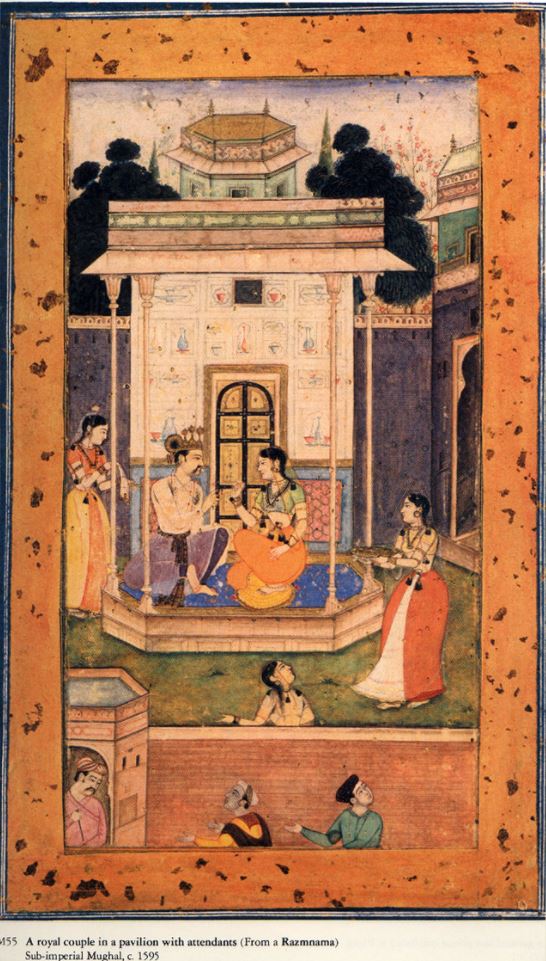
Razm-nama
illustrated folio, c. 1595
from the magnificent Navin Kumar Collection
www.navinkumar.com

Kalamkari-style tree of life
[Chandra in bhava-12] rules-4
Chandra in Pūrvābhādra- Pegasus
Chandra in Uttarabhadra - Andromeda
-
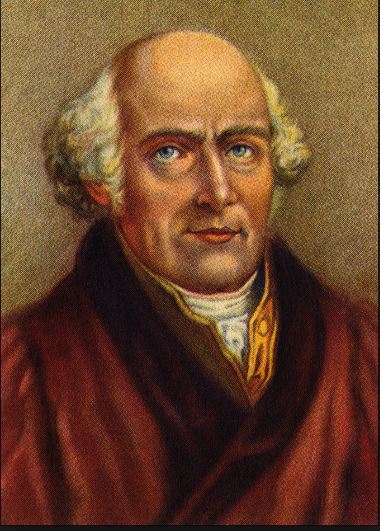
Homeopathy 1755-1843 Dr. Samuel Hahnemann [regenerating-revelatory Andromeda-4] + [Andromeda-Somana-yuti-Surya-Revatī] + [Andromeda-Somana-yuti-Budha-Andromeda] + [Andromeda-Somana-yuti-Ketu-Andromeda] [12, research, symbolic thought] * Aśvini
-
Banker to the Poor 1940- microcredit Muhammad Yunus - Somana-yuti-Ketu - Bharani
-
Apple Computer 1955-2011 Steve Jobs [logical-calculating Andromeda-2] [12, imagination, isolation, envisioning]
-
Starry Messenger 1564-1642 Galileo Galilei [visionary Revatī-4] = [vargottamsha] = [ātmakāraka] + [uchcha-Shukra-yuti-Chandra] + + [Chandra-12 parivartamsha Guru-4-uchcha] famed lutist and singer- Aśvini lagna



[Chandra-Meena ] * comforted by ancestral guidance * settled into rhythmic intuition * needs contemplative sanctuary
As the planetary patron of bandhu-bhava-4, matsya-Chandra in bhava-12 becomes ruler-of-4 residing in 9th-from-4th .
Intuitive, sensitive Chandra rules the creative, charismatic, political, and gambling 5th-from-Chandra = Karkata-4.
This yoga brings the local cultural environment (4) into the realm of the contemplative imagination (12).
[Chandra in bhava-12] feels comfortable in the worlds of research, reflection, and interior guidance.
Often a visionary and a musician, engaged in imaginative, meditative discourse with the ancestral (4) spirit guides (12). Close to natural kingdoms.
Clairaudiently able to listen to the songs of the mineral kingdom including the third-dimensional version of the graha ++ can hear the animal kingdom including all creatures ++ can hear the healing voices of the plant kingdom.
[Mesha - Aja] rashi specializes in new birth, first arrival, pioneering, innovation, and competitive championship.
-
Ketu-ruled Aśvini - Dasra tends to produce physicians and inventors. They have a special understanding of ways in which the inner dynamic energies moves within the outer physical shell .
-
Shukra-ruled Bharani-Yama tends to produce treasurers, financiers and preservers of worth. They are able to remember, store and produce goods of historical value, including stories and songs. They have earned a reputation for carrying heavy payloads and working to death.
-
Surya-ruled Kṛttikā - Pleyades * Agneya in the first pada belongs within Mesha rashi. They are reputed to be supremely confident and pioneering in nature, tending toward expressions of Surya such as politics, gaming, and creative arts.
The birth-mother herself is often a quiet, withdrawn, or privately prayerful person who may be largely invisible to the public. She may reside or work in a sanctuary setting. She may be dematerialized, or she may be functioning entirely as a spirit guide from some enclosed location. The mother's role-play during the child's upbringing offers a pivotal learning model for the Learner by intuitively showing one how to engage the clairsentient awareness.
In bhava-12, Chandra-Meena often displays an intuitive creativity which seems to pluck the fruits of genius from the eternally
tree of the imagination. They specialize in color-sound correspondence patterns.
-
Starry Messenger 1564-1642 Galileo Galilei [uchcha] Shukra-yuti-Chandra was not only a gifted musical lutenist (Chandra-Revatī). He was also an imaginative genius who looked into the celestial firmament and saw the octaves of sound represented in the octaves of nested planetary orbits on the same pattern of 7+1. Typical of Chandra-Meena -12, he fathered three children with a family servant without benefit of marriage.
6/8 shad-ashtakya growth-challenge angles
-
revolutionary, emotionally turbulent, perpetually transformative, trauma-inducing 8th-from-Chandra -12 becomes bhava-7-Tula agreements and arrangements that contain tantric secrets and occult mysteries. This yoga suggests that in order to grow emotionally, particularly during Vimshottari bhukti of Shukra, one must engage with identity-transforming conditions regarding contractual relationships and trusts.
-
The adversarial [6th-from-Chandra] -12 becomes bhava-5-Simha, suggesting that Vimshottari periods of Surya can provoke emotional disagreements, typically of a political nature. The adversaries are often creative personalities, politicians, royalty-celebrity, and those who claim center-stage rights. Any graha located in bhava-5 can also prove inimical to one's basic emotional nature.
The lifepartner for Chandra-12 -Antya = Kanya-6. Reflecting the adversarial relationship between Guru planetary patron of Meena who dislikes Budha versus Budha planetary patron of Kanya who dislikes Chandra, this marriage yoga is challenging. It suggests a life-companion -1 who is service-oriented, exploitable, in delicate health, argumentative, and " unsatisfiable" .
life-companion -1's primary identity is grounded through service in imbalance-seeking-a-remedy situations (6). The Chandra-12 native is focused on private reflections, dreams, and wisdom gained in a state of meditation or sleep. Learner's lifepartner may be servant of the Learner .
bhratru-pati-3 in vriddhi-bhava-11
gains from writing, documentation, explanation, description, messaging, announcements, reports, teamwork, cohort, ensemble, administration, management, publication
kama trikona
Chandra in Pūrvābhādra- Pegasus
Chandra in Uttarabhadra - Andromeda
- POTUS-27-pair Cherry Trees 1861-1943 Nellie Herron Taft [arranging-harmonizing Andromeda-3] + + [Chandra-11 parivartamsha Guru-3-uchcha]
- POTUS-pair-35 editor 1929-1994 Jacqueline Kennedy Onassis [economic Revatī-Pashu-3]


[Chandra in classroom-1] * comfortable embodiment * familiar with innovation * needs direct action
[Chandra-Meena ] * comforted by ancestral guidance * settled into rhythmic intuition * needs contemplative sanctuary
As the ruler of bhratru-bhava-3, antya Chandra in bhava-11 becomes ruler-of-3 residing in 9th-from-3rd. thus intuitive, sensitive Chandra rules the creative, charismatic, political, and gambling 5th-from-Chandra which is Karkata-3.
Urisha indriya-lagna provides the only opportunity for Chandra to become the broadly emotionally appealing bhratru-pati-3 in 11. This unique situation suggests a large scale recognition of the Learner as an articulate, sensitive and creative, sympathetic familiar face in the communicative (3) venues of large gatherings such a grand amphitheaters, stadia or fayres. The 3-11 air trine produces a kama-yoga. Guru must be strong for full results.If Chandra-Revatī, musical and loves animals..
emotionally talkative, communication-announcement-writing mentality of bhava-3 enters the friendly, networking, systems mentality of 11.
Often the career involves writing of dramatic scripts and songs about themes of social mobility, friendship, and the function of extensible networks such as communities and economies. This yoga unfolds conditions of emotionally sensitive community engagement throughout life.
Attracted to roles such as socialite, social-events planner, and community development agent with extensive connections. The roles often involve touring (3) and itinerary planning (3) in context of large-group gatherings of fans, followers, fellow travelers and devotees (11).
Urisha specializes in collection and storage of material values. Modalities include capital finance, banking, cattle, cooperage, databases, warehousing, the herd and the hoard.
-
If the rising nakshatra is Kṛttikā - Pleyades pada 2-3-4, family affluence = promoted via power of both the father and the individual. Confident acquisition of properties; often a local mercantilist and landowner.
-
If Rohiṇī - Aldebaran pada 1-2-3-4 marks the eastern horizon, the family values are contained by the mother, within ancestral lands and waters; holds old values but does not seek new. Often a preserving environmentalist.
- For Mrigashira - Invaka pada-1-2 stored wealth is driven by the marriage-partner, yet many losses due to Learner's lifepartner. Often in careers which involve pushing agreements forward, such as midwife, boat launch, initiate sales, political campaign, factory assembly, transportation industry.
The birth mother is often a socialite or community activist.
In bhava-11, Chandra-Meena has musical, intuitive, clairsentient, emotionalized characteristics expressed through massively inter-connective social gatherings. This kama-yoga is highly gainful. Chandra-Matsya-11 often displays an intuitive ability to understand the commoners (11) and shows emotional responsiveness to the masses as a sympathetic familiar face [Chandra].
6/8 shad-ashtakya growth-challenge angles
-
The revolutionary, emotionally turbulent, perpetually transformative, trauma-inducing 8th-from-Chandra -11 becomes bhava-6-Tula sweets addictions and relationship betrayals. This yoga suggests that in order to grow emotionally, particularly during Vimshottari bhukti of Shukra, one must engage with identity-transforming conditions regarding sweet palliatives such as drugs and denial, in a spirit of discovery.
-
The adversarial [6th-from-Chandra] -11 becomes bhava-4-Simha home and ethnicity, ethnoreligion, suggesting that Vimshottari periods of Surya can provoke emotional disagreements , typically of a political nature [Simha]. The adversaries are often the parents and caretaker s, and more broadly with the folkways customs and cultural norms of one's own people. Any graha located in bhava-4 can also prove inimical to one's basic emotional nature.
Those who are willing to work with the emotional growth-challenges provided by accusations, exploitation, and sweet numbing addictions (6) and by home-folk, their established customs and cultural norms (4) can experience valuable emotional awareness and growth.
The lifepartner for Chandra-11 -Antya = Kanya-5. Reflecting the adversarial relationship between Guru planetary patron of Meena who dislikes Budha versus Budha ruler of Kanya who dislikes Chandra, this marriage yoga is challenging. It suggests a life-companion -1 who is service-oriented, exploitable, in delicate health, argumentative, and unsatisfiable .
life-companion -1's primary identity is grounded through the worlds of entertainment, politics, and speculative gaming. life-companion -1 = typically, aself-focused and creative but also critical and complaining person. the Learner is focused upon the crowds, large groups, social connections, and marketplace profits.
dhanapati-2 in karma-bhava-10
artha dhana yoga
Chandra in Pūrvābhādra- Pegasus
Chandra in Uttarabhadra - Andromeda
-
Microsoft 1955- philanthropist Bill Gates [discovering-disguising Andromeda-4]
[Chandra in classroom-10] comfortable with protocol * familiar with hierarchy * needs order
As the planetary patron of dhanabhava-2, antya Chandra in bhava-10 becomes ruler-of-2 residing in 9th-from-2nd. Thus intuitive, sensitive Chandra rules the creative, charismatic, political, and gambling 5th-from-Chandra which is Karkata-2.
This yoga emphasizes the executive, social-ordering expression of the historical and financial values (2) via high-visibility leadership roles. The values are conferred through the family-of-origin . Chandra provides treasuries of wealth which enter 10 hierarchies * a significant dhana-yoga indicating capitalization.
[Mithuna-Dvamdva] specializes in the interactive, communicative coupling of polarities and opposites.
-
If the rising nakshatra is Kuja-ruled Mrigashira - Invaka pada-3 or pada-4, one suspects the friends of being enemies and finds enemies to be more trustworthy than friends.
-
If Rahu-ruled Arudra - Betelgeuse marks the rising nakshatra, the sensual body does the explaining via messages of fascinating, passionate movement. Often communicates wild, stormy energy.
-
Guru-ruled Punarvasu-Aditya eternal no-limits indivisible pada 1-2-3 may produce a wise and charitable teacher who shows that life includes death and good includes evil.
Typically one is born into a family (2) of social leaders (10) providing early-life propulsion for decision-making within large, pyramid-shaped organizations. There is public visibility in roles evoking values traditions, facial appearance, speech, sound, and words. Intuitive affinity for banking and capital assets .
The birth mothermay be leader of an organization. She is well known and respected.
6/8 shad-ashtakya growth-challenge angles
-
The revolutionary, emotionally turbulent, perpetually transformative, trauma-inducing, discovering, revealing, danger-seeking 8th-from-Chandra -10 becomes bhava-5-Tula gracious celebrity and creativity. This yoga suggests that in order to grow emotionally, particularly during Vimshottari bhukti of Shukra, one must engage with identity-transforming conditions regarding fame and fortune.
-
The adversarial [6th-from-Chandra] -10 becomes bhava-3-Simha management and communications, suggesting that Vimshottari periods of Surya can provoke emotional disagreements, typically of a political nature. The adversaries include siblings, neighbors, managers, handlers, and those with whom Learners may collaborate in a teamwork setting. Any graha located in bhava-3 can also prove inimical to one's basic emotional nature.
Those who are willing to work with the emotional growth-challenges provided by the world of egocentric charismatic drama (5) and by siblings, co-workers and team-mates (3) can experience valuable emotional awareness and growth.
The lifepartner for Chandra-10-Antya = Kanya-4. Reflecting the adversarial relationship between Guru ruler of Meena who dislikes Budha versus Budha planetary patron of Kanya who dislikes Chandra, this marriage yoga is challenging. It suggests a life-companion -1 who is service-oriented, exploitable, in delicate health, argumentative, and unsatisfiable.
life-companion -1's primary identity is grounded through the household including garden, vehicles, home, schools, and often extending into a natural argumentative or medical focus for policies supporting environmentalism.
life-companion -1 is Typically, aservice-oriented but critically intelligent person [Kanya] who provides a basis of nourishing, protective support to the Learner . the Learner is usually focused upon the visionary [Meena ] leadership roles (10) that are symbolic, iconic, and highly familiar to the public.
lagnesha-1 in dharma-sthāna-9
Chandra in Pūrvābhādra- Pegasus
Chandra in Uttarabhadra - Andromeda
- Dittoheads 1951-2021 radio polemic Rush Limbaugh [ceremonial-political Andromeda-1] [9, ideology, preaching, belief]
-
Mighty Heart 1975- drama-activist Angelina Jolie + [Guru-yuti-Mangala] * Pushya
***
-
Louisiana-Gov 1893-1935 Kingfish Huey P. Long [Chandra-yuti-Rahu]


[Chandra in classroom-9] comfortable with doctrine * familiar with philosophy * needs understanding
As lagnesha, antya Chandra in bhava-9 becomes ruler-of-1 residing in 9th-from-1st. Thus intuitive, sensitive Chandra rules the creative, charismatic, political, and speculative-gambling 5th-from-Chandra which is Karkata-1.
This yoga provides a lifetime identity of emotionally motivated engagement in global humanism and expansions of sacred, theoretical, doctrinal, ideological or philosophical doctrine. Naturally, graha yuti Chandra can alter the believer profile.
The Karkata-lagna Learner is naturally and profoundly identified with the land and its peoples, with parenting and sheltering roles, and with the customary culture of the mother's folk.
When Chandra occupies Meena , the homeland and the childhood home are often sites of upheaval because bhava-4 becomes the revolutionary, emotionally turbulent, perpetually transformative, trauma-inducing 8th-from-Chandra This yoga encourages one to prefer an international perspective and one is not comfortable unless preaching or professorial roles are undertake n.
Karkata - Kadaga specializes in roots, ruts, rhythms and routines.
-
If the rising nakshatra is Punarvasu-Aditya pada-4, anatural philosopher may show the conflicts inherent in humanity's deepest roots.
-
If Pushya- Sidhya marks the rising nakshatra, the ancient lawful governance hierarchies are stabilized and sustained.
- Aśleṣa - Naga nakshatra in the indriya-lagna may produce a significant writer, messenger, missionary, envoy, apostle, or craftsman who binds the psycho-mental turmoil to a fixed and grounded place.
The birth-mother herself is often a wise believer and doctrinally guiding personality who = generally dedicated to the welfare of the Learner and the Learner is also dedicated to the mother, as indicated by lagnesha being Chandra. The mother often has an overt connection to the class of theologians and theorists; Yet, because Chandra is passive, her beliefs may be seen reflectively. However, graha yuti Chandra or incoming drishti may alter the mother's persona.
6/8 shad-ashtakya growth-challenge angles
-
The trauma-inducing, discovering, revealing, danger-seeking 8th-from-Chandra becomes bhava-4-Tula housing arrangements, security and shelter. This yoga suggests that in order to grow emotionally, particularly during Vimshottari bhukti of Shukra, one must engage with identity-transforming conditions regarding the homeland, roots-culture, parenting and householding.
-
The adversarial [6th-from-Chandra] -11 becomes bhava-2-Simha family of origin, treasuries of valuable goods and knowledge, face-voice-eyes. This yoga suggests that Vimshottari periods of Surya can provoke emotional disagreements usually of a political nature. The adversaries are typically core family members, with bankers and conservators of wealth, and with the historical values of the lineage. Any graha located in bhava-2 can also prove inimical to one's basic emotional nature.
Those who are willing to work with the emotional growth-challenges provided by education, real-estate, and nationalism (4) and by the conservators of lineage values-fulfillment (2) can experience valuable emotional awareness and growth.
The lifepartner for Chandra-9 -Antya = Kanya-3. Reflecting the adversarial relationship between Guru ruler of Meena who dislikes Budha versus Budha planetary patron of Kanya who dislikes Chandra, this marriage yoga is challenging. It suggests suggests a life-companion -1 who is service-oriented, exploitable, in delicate health, argumentative, and unsatisfiable .
life-companion -1's primary identity is grounded through commercial business, communications activities, management roles, and teamwork. The mate is Typically, arepeating-message, detail-oriented personality while Learners may be more wide-view, theoretically oriented.
Simha indriya-lagna]
ruler-of-12 in randhra-sthāna-8
Vimala Yoga * Viparita Raja Yoga ]
Chandra in Pūrvābhādra- Pegasus
Chandra in Uttarabhadra - Andromeda
-
UK-socialite 1959- Sarah Ferguson [arranging-harmonizing Andromeda-3] + [Andromeda-Somana-yuti-Ketu-Andromeda] [8-secrets, discovery, camouflage, sudden emergence]

As the ruler of vyaya-bhava-12, antya Chandra in bhava-8 becomes ruler-of-12 residing in 9th-from-12th.
Intuitive, sensitive Chandra rules the creative, charismatic, political, and gambling 5th-from-Chandra = Karkata-12.
This yoga shows emotionally directed engagement with hidden powers of intuitive transformation. There is the typical guidance behavior of Meena -Chandra contextualized in scenarios of healing such as emergency surgeries, disguised sheltering and Caretaking, or confidential therapeutic environments.
vyaya-pati-12 in randhra-sthāna-8 brings the fluid sensitivity of imagination, meditation, quietude, distance, and meditative reflection into the occult, undisclosed and mysterious environment of bhava-8.
Often a very privatized and quiet placement, yet one is churning with a masked, emotionally driven search for discovery. May evolve into a great healer.
[Simha - Leya] specializes in radiance, splendor, royalty, self-entitlement, divine intelligence, centrality, celebrity, creativity, politics and drama.
-
If the rising nakshatra = Ketu-ruled Magha - Regulus , a very unique personality may radiate a fiery, other-worldly, magical Witness intelligence.
-
If Shukra-ruled Purva-phalguni * Yoni marks the rising nakshatra, artistic beauty expresses via politics, drama, celebrity, royalty, fashion, costume and song.
-
Surya-ruled Uttara-phalguni * Aryaman nakshatra in the indriya-lagna may produce a politician, literary dramatist, dramatist, game-player, or royal figure.
The relationship with the parents can be perplexing. Yet, in her own vague style, the mother provides a guiding wisdom. The birth-mother herself is often involved in secret undertakins that have political characteristics. She could be a therapist or other healer, acontainer of unknowns.
She knows more than she is able to reveal. Her hidden dealings may involve her personal life, but can just as easily involve confidential information that belongs to others (often the wealth-sources of her husband).
Modeling upon the mother, one must take a exploratory role in the world of psycho-intuitive perception. It is a placement that consumes plenty of life-force energy into the process of self-transformation and discovery. Barring drishti from Shani, rahu, or Mangala into Chandra-8, the incarnation may be intense but brief.
6/8 shad-ashtakya growth-challenge angles
-
The trauma-inducing, discovering, revealing, danger-seeking 8th-from-Chandra -8 becomes bhava-3-Tula siblings, teamwork, reports and announcements, project management. This yoga suggests that in order to grow emotionally, particularly during Vimshottari bhukti of Shukra, one must engage with identity-transforming conditions regarding communication of hidden information, delivery of messages, and daily conversation.
-
The adversarial [6th-from-Chandra] -8 becomes bhava-1-Simha bio-body identity and personality. This yoga suggests that Vimshottari periods of Surya can provoke emotional conflict and political frustrations, against the physical bio-body and the limitations of its brain. Any graha located in bhava-1 can also prove inimical to one's basic emotional nature.
Those who are willing to work with the emotional growth-challenges provided by repetitive daily communications (3) and The Earthen-body and its brain-center (1) can experience valuable emotional awareness and growth.
The lifepartner for Chandra-8 -Antya = Kanya-2. Reflecting the adversarial relationship between Guru planetary patron of Meena who dislikes Budha versus Budha ruler of Kanya who dislikes Chandra, this marriage yoga is challenging. It suggests a life-companion -1 who is service-oriented, exploitable, in delicate health, argumentative, and unsatisfiable .
life-companion -1's primary identity is grounded through acquisition of wealth and continuation of the lineage values-fulfillment . life-companion -1 is typically oriented to publicly visible service, often in medical specialties; whereas the Learner may be emotionally inclined to be somewhat secretive and attached to matters unseen.
EXAMPLE
England-King 1491-1547 Henry-8-Tudor
-
HT married six times. His first wife, Catalina de Aragon, was the widow of Henry's elder brother. The marriage was specifically intended to keep (2) the royal wealth within the family lineage. CdA was predictably dissatisfied [Kanya] and after 24 heirless years they divorced.
[Kanya - Parthya] indriya-lagna
Vriddhi-pati-11 in samatā-sthāna-7
the parental partner = a friend
Chandra in Pūrvābhādra- Pegasus
- Prodigals 1920-2007 writer-illustrator Ruth Bell Graham [householder-protector Pūrvābhādra-4] + [Pūrvābhādra-Chandra-7 parivartamsha Aśleṣa-Guru-11] [7, marriage, covenant]
- USA Civil Rights 1929-1968 Rev. Martin Luther King [rhythmic-protective Pūrvābhādra-4] [7, contracts, alliances, advocacy, justice]
Chandra in Uttarabhadra - Andromeda
-
England-King 1491-1547 Henry-8-Tudor [economic-distributive Revatī-3]
-
Easy Rider 1936-2010 art-collections Dennis Lee Hopper [governing-hierarchical Revatī-Pashu-2] [painter, photographer] [7, contracts, arrangements, promises]


As the planetary patron of vridhhi-bhava-11, antya Chandra in bhava-7 becomes ruler-of-11 residing in 9th-from-11th. Thus intuitive, sensitive Chandra rules the creative, charismatic, political, and gambling 5th-from-Chandra which is Karkata-11.
This yoga shows emotionally directed and theoretically, ideologically or doctrinally informed engagement with large groups of people in massive community networks.
There is the typical guidance behavior of Meena -Chandra contextualized in scenarios of economic systems and interlinked webs of social participation and exchange.
[Kanya - Parthya] specializes in service, imbalance-seeking-a-remedy, disagreement, medical treatment, remedial strategies, argumentation, and the virginal state.
-
If the rising nakshatra is Surya-ruled Uttaraphalgunī - Aryaman pada 2-3-4, exploitive conditions may evoke a political or theatrical response. Much hand-waving and declaiming.
-
If Chandra-ruled Hasta - Savitra marks the rising nakshatra, one responds to imbalance-seeking-a-remedy with comforting acceptance, manual Caretaking, and routines of service.
- Mangala-ruled Chitra - Spica * Tvastri pada 1-2 approaches imbalance-seeking-a-remedy with a designer's urge to straighten and correct it.. May produce a hand-crafty surgeon, writer, builder, architect, or master planner.
The birth mother may be an attorney, advocate, match-maker, negotiator, arbitrator, diplomat, peacemaker , designer, or arranger.
The mother's role-play during the child's upbringing offers a pivotal learning model for the Learner by intuitively showing one how to balance, arrange, design, and harmonize even with unsatisfactory partners [Kanya]. Naturally, any graha yuti Chandra-5 would adjust the outcomes for both the mother and the Learner .
6/8 shad-ashtakya growth-challenge angles
-
The trauma-inducing, discovering, revealing, danger-seeking 8th-from-Chandra becomes bhava-2-Tula. This yoga suggests that in order to grow emotionally, particularly during Vimshottari bhukti of Shukra, one must engage with identity-transforming conditions regarding the values of the family-of-origin , the keepers of treasure.
-
emotionally adversarial [6th-from-Chandra] becomes bhava-12-Simha, suggesting that Vimshottari periods of Surya can provoke emotional conflict and political frustrations, most of which occur in a behind-closed-doors enclosure such as the bedroom, the prayerful cloister, or secluded clandestine environments. The spiritual guides may seem adversarial. Any graha located in 12 can also prove inimical to one's basic emotional nature.
Those who are willing to work with the emotional growth-challenges provided by the treasuries of the family heritage (2) and by private guidance and clandestine political agents (12) can experience valuable emotional awareness and growth.
EXAMPLE
Prodigals 1920-2007 writer-illustrator Ruth Bell Graham [householder-protector Pūrvābhādra-4] + [Pūrvābhādra-Chandra-7 parivartamsha Aśleṣa-Guru-11] [7, marriage, covenant]
- RBG was born to medical-missionary parents [Guru-11 missionaries]. She served in counseling, schooling, and protective roles through the agency of her marriage to the preacher, Billy Graham. Combined with the invisible strains of de-facto single parenting, Chandra ruling Shani in 6th-from-Chandra eventually produced a steady stream of severe injury and illness.
EXAMPLE
USA Civil Rights 1929-1968 Rev. Martin Luther King [rhythmic-protective Pūrvābhādra-4] [7, contracts, alliances, advocacy, justice]
-
Mother was peace-maker, alliance-crafter, resolution-seeker, agent of justice -- all under the rubric of "preacher's wife"
The lifepartner for Chandra-7-Antya = Kanya-1. Reflecting the adversarial relationship between Guru ruler of Meena who dislikes Budha versus Budha planetary patron of Kanya who dislikes Chandra, this marriage yoga is challenging. It suggests a life-companion -1 who is service-oriented, exploitable, in delicate health, argumentative, and unsatisfiable.
Yet life-companion -1 is devoted to the welfare of the union. life-companion -1's primary identity is grounded through the argumentation which constantly re-negotiates contracts, agreements, deals. Matsya-Chandra-7= identified with agreements, trusts and promises, but Kanya-life-companion -1 may be unable to satisfy the terms of the contract.
Similarly, asecond marriage partner is the hidden bhava-8, and a third marriage partner is 8th-from-8th bhava-3. This particular yoga often suggests multiple marriages in pursuit of a fulfilled agreement, and it favors the birth of daughters. Much depends upon graha located in bhava-1.
-
England-King 1491-1547 Henry-8-Tudor 's marital polarizing catalysis were rooted not in any lack of affection from his wives. Rather, their fate was driven by his expectation that a fulfilled marital contract must include production of a male heir. With the accusatory Mangala-Kanya in 7th-from-Chandra creating a fierce Kuja Dosha, this expectation proved difficult to satisfy.
" King Henry the Eighth,
to six wives
he was wedded.
One died,
one survived,
two
divorced,
two beheaded."
karmesha -10 occupies ripu-bhava-6
Chandra in Pūrvābhādra- Pegasus
Chandra in Uttarabhadra - Andromeda
-
France-Pres 1890-1970 Mémoires de Guerre Charles de Gaulle [secretive-eruptive Uttarabhādra-4]
As the ruler of karma-sthāna-10, antya Chandra in bhava-6 Becomes ruler-of-10 residing in 9th-from-10th. thus intuitive, sensitive Chandra rules the creative, charismatic, political, and gambling 5th-from-Chandra which is Karkata-10.
This yoga provides a distinguished placement carrying professorial guidance responsibilities in psycho-emotionally unfair, ailing, accusatory, toxic, unbalanced, disadvantaged, or problematic environments (6). It creates theoretical or ideological leadership roles, from which Chandra-6 projects a sympathetic familiar face (Chandra, familiar) to the suffering, betrayed, marginalized, out-of-contract, or exploited.
Tula indriya-lagna specializes in partnership and pairings, yoga, equity, balancing, deal-making, match-making, and mutual agreement.
-
If Chitra - Spica marks the eastern horizon, mangala's influence produces forceful, incisive contract-making. Learners may have an designing, fabricating, architectural style, aimed toward building of edifices. Guru-ruled Meena -Chandra planetary patron of 10th-from-1 contributes a leadership capacity in fields such as large-scale architecture of global alliances.
-
If Svati - Arcturus rises, risk-Rewarding Rahu's influence produces a passionate expression of feeling in public roles, with a willingness to take risks for potential gain. Zeal for making agreements with those outside one's own group. Guru-ruled Meena -Chandra ruler of 10th-from-1 contributes a leadership capacity in fields such as
-
If Viśākha - Rādhā ms the Earthen-body birthing indriya-lagna , Guru's influence supports the development of multiple alliances. Often concerned with doctrine and matters of global humanism. May represent numerous and diverse constituencies. Guru-ruled Meena -Chandra planetary patron of 10th-from-1 contributes a leadership capacity in fields such as spiritual guidance and counseling; philosophical and theoretical teaching; or global understanding.
The birth-mother herself is often a medical or military professional (karmesha -10) a social-worker, or charitable agent of service toward the suffering. Mother herself is also likely to be ill, impoverished, or in servitude, even while she offers charity [Meena ] to others. The mother's role-play during the child's upbringing offers a pivotal learning model for the Learner , by intuitively showing one how to conduct a ministry of service. Naturally, any graha yuti [Chandra in classroom-5] would adjust the outcomes for both the mother and the Learner .
6/8 shad-ashtakya growth-challenge angles
-
The trauma-inducing, discovering, revealing, danger-seeking 8th-from-Chandra becomes bhava-1-Tula. This yoga suggests that in order to grow emotionally, particularly during Vimshottari bhukti of Shukra, one must engage with identity-transforming conditions regarding the individual bio-body and the limitations of its brain.
-
The adversarial [6th-from-Chandra] becomes bhava-11-Simha, suggesting that Vimshottari periods of Surya can provoke emotional conflict and political frustrations in matters of economic gainfulness, social community, and behavior of friends. Any graha located in bhava-11 can also prove inimical to one's basic emotional nature.
Those who are willing to work with the emotional growth-challenges provided by the physical bio-body and its brain (1) and by the economic systems of profit and achievement (11) can experience valuable emotional awareness and growth.
life-companion for Chandra-6 -Antya = Kanya-12. Reflecting the adversarial relationship between Guru ruler of Meena who dislikes Budha versus Budha planetary patron of Kanya who dislikes Chandra, this marriage yoga is challenging. It suggests a life-companion -1 who is service-oriented, exploitable, in delicate health, argumentative, and unsatisfiable.
life-companion -1's primary identity is grounded through private service roles in largely invisible, behind-the-walls, sequestered environments (12). life-companion -1 is research-or-escape oriented; partner often hails from a distant land or behaves in an emotionally withdrawn, unresponsive or distanced fashion.
Chandra-6-Meena is engaged in active charitable Caretaking whether through teaching-preaching, medical work, military service, or other venues of wise guidance to those suffering toxicity or imbalance-seeking-a-remedy. With even the best intentions, the profusion of 6-energies in this partnership may cause the union to fail from mutual illness, poverty, or exhaustion. However, if both partners continue to accept visionary guidance from higher planes, the union may continue in a spirit of charity.
Case Analysis
Tulā indriya-lagna
Chandra-Meena = karmesha -10 occupies 6 = 9th from svakshetra
Chandra in 9th-from-svakshetra-10th
Oneself and one's father may have wisdom regarding the function of social governance and large social hierarchies. However, this does not prevent conflict and disappointment through agency of the significators of bhava-9.
Agents of animosity , loss of agreement, disputes, treachery, broken promises, disappointment, disease-discomfort, imbalance-seeking-a-remedy and social conflict include
- governments and corporations
- Organizational leaders
- law-makers
- forces of large-scale social conformity
- heads of hierarchies
Disappointment and imbalance-seeking-a-remedy in the professional career. The Learner's work is under-recognized or overtly dishonored (although there is improvement in periods of Chandra.)
Must choose a ministry of service without adequate institutional support from government and corporate leadership. Health puzzles due to emotional stress from professional over-commitment while striving for ineffable public recognition.
Prone to overweight [Guru] and complications of childbirth (Feminine Learners ). Both males and females have emotional stress from death of romanticized lovers, political ideals, or children. Stress zone = feet.
Dharmesha-9 in vidya-bhava-5
[Chandra in Pūrvābhādra- Pegasus]
[Chandra in Uttarabhādra-Andromeda]
-
Protestant Reformation 1483-1549 hymns Martin Luther [regenerating-revelatory Andromeda-4]
-
France-Pres 1890-1970 Mémoires de Guerre Charles de Gaulle [secretive-eruptive Andromeda-4]
-
Second Sex 1908-1986 social theory Simone de Beauvoir [calculating-logical Uttarabhādra-2] [Chandra-yuti-Mangala] ++ [Chandra-5 parivartamsha Guru-uchcha-9] Jyeṣṭha -Kita
-
France-Pres 1955- public finance Nicolas Sarkozy [ceremonial-political Andromeda-1] + [Andromeda-Chandra-yuti-Mangala-Andromeda] + + [Chandra-5-maha-parivartamsha Guru-9-uchcha] [5, politics, display, drama, romance]
-
Jyotiṣika 1956- educator BP Lama [mysterious-revealing Uttarabhādra-4]
-
A Room of One's Own 1882-1941 Bloomsbury Virginia Woolf [imaginative-charitable Revatī-4] = [ātmakāraka] = [vargottamsha] [5, literary creativity. lyrical intelligence]
-
Ave Maria 1935-2007 tenor Luciano Pavarotti ] imaginative-charitable Revatī-4] = [ātmakāraka] = [vargottamsha]


As the ruler of dharmasthāna-9, antya Chandra in bhava-5 becomes ruler-of-9 residing in 9th-from-9th. thus intuitive, sensitive Chandra rules the creative, charismatic, political, and gambling 5th-from-Chandra which is Karkata-9.
This yoga is a fortunate placement which carries professorial responsibilities in psycho-emotionally charged theoretical, philosophical ideological, and global-humanistic environments (9). It creates ideological guidance roles , from which Chandra-5 projects a sympathetic familiar face (Chandra, familiar) to an audience of intellectuals, cultural-creatives, children, and speculative thinkers. This Learning Pathway may have more effect upon the subsequent generations than upon one's own peers.
Vṛścika - Thriketta specializes in recycling, renewal, rejuvenation, death-and-rebirth.
-
If Guru-ruled Viśākha - Rādhā pada-4 marks the eastern horizon at the time of birth, aspecial understanding of lineage values-fulfillment and cycles of death-and-rebirth confers a capacity for catastrophe and large-scale rebirth. Often a shakti-healer via rather shocking methods.
-
If Shani-ruled Anuradha - Maitreya forms the rising nakshatra, suddenly emerging, eruptive change can be contained within lawful structures. Often an agent of shock-recovery who restores the social order after upheavals and disasters, such as military, physicians and emergency-response professionals.
-
Budha-ruled Jyeṣṭha - Antares indicates a messenger of transformative destruction and renewal, whose instructional signal is vigorously conveyed. Often an announcer, reporter, channeler, prophet, instructor, writer, spin-doctor, actor, spokesperson who can make shocking statements.
The birth-mother herself is often a creative artist or scholarly intellectual. She might have political interests but Meena works primarily in the imagination, so she is unlikely to express her politics materially.
The mother's role-play during the child's upbringing offers a pivotal learning model for the Learner , by intuitively showing one how to perform both intelligently and sympathetically to a broad audience. Naturally, any graha yuti Chandra-5 would adjust the outcomes for both the mother and the Learner .
6/8 shad-ashtakya growth-challenge angles
-
The trauma-inducing, discovering, revealing, danger-seeking 8th-from-Chandra becomes bhava-12-Tula. This yoga suggests that in order to grow emotionally, particularly during Vimshottari bhukti of Shukra, one must engage with identity-transforming conditions regarding the imagination and clairsentient bridging into astral realms.
-
The adversarial [6th-from-Chandra] becomes bhava-10-Simha, suggesting that Vimshottari periods of Surya can provoke emotional conflict and political frustrations against governments and institutional bureaucracies. Any graha located in bhava-10 can also prove inimical to one's basic emotional nature.
Those who are willing to work with the emotional growth-challenges provided by clairsentient imagination (12) and by governments and corporate hierarchies (10) can experience valuable emotional awareness and growth.
life-companion for Chandra-5-Antya = Kanya-11. Reflecting the adversarial relationship between Guru planetary patron of Meena who dislikes Budha versus Budha ruler of Kanya who dislikes Chandra, this marriage yoga is challenging. It suggests a life-companion -1 who is service-oriented, exploitable, in delicate health, argumentative, and unsatisfiable .
life-companion -1's primary identity is grounded through service roles in community and economic-system environments (11). Chandra-5-Meena is engaged in active charitable but creative work while offering wise guidance to youth and those whose power will unfold in the next generation. Learner's lifepartnership can benefit from consciousness that the Learner is a big picture theoretical personality while the Learner is more pragmatic about social-economic realities.
EXAMPLES
Chandra in Pūrvābhādra- Pegasus
Chandra in Uttarabhadra - Andromeda
-
Germinal 1840-1902 J'accuse Emile Zola [reciprocal-relational Andromeda-3] + Andromeda-Somana-yuti-Surya-Revatī] + [Andromeda-Somana-yuti-Kuja-Revatī] + [4, patriotism, parochial culture]
-
Grateful Dead 1942-1995 guitarist Jerry Garcia [community-connected Revatī-Pashu-3] = [ātmakāraka] [4, habitual rhythms, routine]
-
How Will I Know 1963-2012 singer-cinema-fashion Whitney Houston [ordering-regulatory Revatī-Pashu-2] + [Revatī-Guru-yuti-Chandra-Revatī] [4, mother, cultural foundations, schooling, childhood home]

Chandra randhresha-8 in bandhu-bhava-4
As the planetary patron of randhrasthāna-8, Antya Chandra in bhava-4 [dikbala] becomes ruler-of-8 residing in 9th-from-8th. Thus intuitive, sensitive Chandra rules the creative, charismatic, political, and gambling 5th-from-Chandra which is Karkata-8.
This yoga carries identity-changing responsibilities in psycho-emotionally charged homeland and sheltering environments (4). It creates tantric guidance roles which smooth the emotional path from a material understanding of security and stability into a more emotional understanding which allows for rhythmically patterned transformative change.
[Dhanus - Haya] specializes in patronage, preaching, humanistic worldview, doctrine and belief.
-
Mula - Nirṛti may express a Ketu-influenced fearless optimism lacking regard for consequences.
-
Pūrvāṣāḍhā - Apah may express the Shukra-influenced belief that sensual pleasure, wealth, music, and beauty are the keys to life.
-
Uttarāṣāḍha - Vaishva = Surya's influence may produce a confidence in theoretical dharma that suggests a global-scale teacher or inspiring politician.
The birth-mother herself is often a healer with special gifts in the areas of intuitive response to a and sudden, unexpected changes in the home environment. There may have been upheaval in her early life. It is a dignified placement earning dikbala .
The mother's role-play during the child's upbringing offers a pivotal learning model for the Learner , by intuitively showing one how to ground and anchor situations that may seem disastrous or threatening. Naturally, any graha yuti Chandra-4 would adjust the outcomes for both the mother and the Learner .
6/8 shad-ashtakya growth-challenge angles
-
The trauma-inducing, discovering, revealing, danger-seeking 8th-from-Chandra -4 becomes bhava-11-Tula. This yoga suggests that in order to grow emotionally, particularly during Vimshottari bhukti of Shukra, one must engage with identity-transforming conditions regarding the economic systems of achievement and materialistic friendships.
-
The adversarial [6th-from-Chandra] -4 becomes bhava-09-Simha, suggesting that Vimshottari periods of Surya can provoke emotional conflict and political frustrations against the father and fatherly-figures (such as patronizing religious men) universities, global humanistic organizations. Any graha located in bhava-9 can also prove inimical to one's basic emotional nature.
Those who are willing to work with the emotional growth-challenges provided by economic linkages (11) and by patronizing philosophers (9) can experience valuable emotional awareness and growth.
life-companion for Chandra-4 -Antya = Kanya-10. Reflecting the adversarial relationship between Guru ruler of Meena who dislikes Budha versus Budha planetary patron of Kanya who dislikes Chandra, this marriage yoga is challenging. It suggests a life-companion -1 who is service-oriented, exploitable, in delicate health, argumentative, and unsatisfiable .
life-companion -1's primary identity is grounded through service roles in governance and socially hierarchical environments (10). Chandra-4-Meena is engaged in active charitable householding work while offering wise guidance to parents and those who protect the settlements. Learner's lifepartnership can benefit from consciousness that the Learner is an intuitive, healing personality who needs protection and a steady small-scale routine, while oneis more public and regulatory in orientation.
[Chandra in bhava-3 business, commerce, committees, collaboration
samatā-pati-7in vikrama-bhava-3
benefits from the life-partner and allies ]
Chandra in Pūrvābhādra- Pegasus
Chandra in Uttarabhadra - Andromeda
As the ruler of samatā-sthāna-7, antya Chandra in bhava-3 becomes ruler-of-7 residing in 9th-from-7th. Thus intuitive, sensitive Chandra rules the creative, charismatic, political, and gambling 5th-from-Chandra which is Karkata-7.
This yoga shows emotional communication specializing in diplomatic relationships. There is the typical guidance behavior of Meena -Chandra contextualized in scenarios of messaging and signaling such as radio-television, internet, and venues of publication, reporting, announcement.
Birth-mother may be intuitively gifted communicator who has emotionally engaged relationships with her siblings and neighbors. She may be cooperative business manager, member of an entourage, ensemble performer, or messenger with a deep wisdom about clairsentient communications.
The mother's role-play during the child's upbringing offers a pivotal learning model for the Learner , by intuitively showing one how to sensitively respond to the interactive relationships that form within cooperative groups. Naturally, any graha yuti Chandra-3 would adjust the outcomes for both the mother and the Learner .
6/8 shad-ashtakya growth-challenge angles
-
The 8th-from-Chandra-3 becomes bhava-10-Tula. This yoga suggests that in order to grow emotionally, particularly during Vimshottari bhukti of Shukra, one must engage with identity-transforming conditions regarding institutional-level law and governance of the social order.
-
The adversarial [6th-from-Chandra] -3 becomes bhava-8-Simha, suggesting that Vimshottari periods of Surya can provoke emotional conflict and political frustrations against the confidential, camouflaged sources of hidden power. Any graha located in bhava-8 can also prove inimical to one's basic emotional nature.
Those who are willing to work with the emotional growth-challenges provided by institutional regulatory structures (10) and by hidden powers (8) can experience valuable emotional awareness and growth.
life-companion for Chandra-3 -Antya = Kanya-9. Reflecting the adversarial relationship between Guru planetary patron of Meena who dislikes Budha versus Budha ruler of Kanya who dislikes Chandra, this marriage yoga is challenging. It suggests a life-companion -1 who is service-oriented, exploitable, in delicate health, argumentative, and unsatisfiable .
life-companion -1's primary identity is grounded through service roles in university and global-perspective environments (9). Chandra-3-Meena =s engaged in charitable communications work while offering wise guidance to messengers, media-managers, writers, enseigneurs and others who signal.
Learner's lifepartnership can benefit from consciousness that the Learner is an intuitive, talkative personality who needs mental engagement in a world of imaginative details, while one is more concerned with problematics in a theoretical and doctrinal orientation.
[Chandra in bhava-2] rules-6
artha dhana yoga, but may be adversarial toward stored wealth
Chandra in Pūrvābhādra- Pegasus
Chandra in Uttarabhadra - Andromeda
[Chandra-Meena] - comforted by ancestral guidance * settled into rhythmic intuition * needs contemplative sanctuary
As the planetary patron of rogabhava-6, antya Chandra in bhava-2 becomes ruler-of-6 residing in 9th-from-6th. thus intuitive, sensitive Chandra rules the creative, charismatic, political, and gambling 5th-from-Chandra which is Karkata-6.
This yoga shows emotional collecting and storage specializing in knowledge of history of medicines, slaveries, and wars. There is the typical guidance behavior of Meena -Chandra contextualized in scenarios of banking, collections of valuable object, treasuries of knowledge such as libraries, and expressions of voice, face, eyes, speech, song.
- If Pūrvābhādra-4, emphasis on historical knowledge.
- If Uttarabhadra, banking and currency values.
- If Revatika, speech and music-song.
[Kumbha - Ghata] rashi specializes in community, systems, economies, ecologies, scientific and electro-magnetic networks, social-participation gatherings, friendship, and voluntary association. Kumbha is an enclosed airspace, such as a marketplace, comb or a drum
- When Mangala-ruled Dhaniṣṭha - Delphinus -Vasu marks the eastern horizon at the time of birth, Learners may be drummer pounding out the beats which bring the large group into coordination or a competitive orchestrator networking various sections together under one leader.
- When Rahu-ruled Shata-visakya ms the Earthen-body birthing indriya-lagna , an exotic figure arises to show the connections between past, present, and future.
- Guru-ruled Purva-bhadrapada in the indriya-lagna indicates one who scientifically explains the connections between factors which determine large groups behavior.
The birth-mother herself is often an intuitive treasurer who is concerned with the collection and continuation of family lineage values-fulfillment . She is primarily rooted through her own lineage and protective of family affluence. She may be gifted singer, reciting poet, or carrier of wise memory who preserves the routines of her ancestry. Some aspect of the lineage is However, reflective of bhava-6; this may be family history of slavery, disease-discomfort, criminalization / crime, pollution, or poverty.
The mother's role-play during the child's upbringing offers a pivotal learning model for the Learner , by intuitively showing one how to sensitively respond to the conservative and preservative historical legacies of valuable goods and knowledge, particularly of language and words. Naturally, any graha yuti Soothing Somana-2 would adjust the outcomes for both the mother and the Learner .
6/8 shad-ashtakya growth-challenge angles
-
The 8th-from-Chandra-2 becomes bhava-9-Tula. This yoga suggests that in order to grow emotionally, particularly during Vimshottari bhukti of Shukra, one must engage with identity-transforming conditions regarding received doctrine and principles of theoretical or philosophical perspective.
-
The adversarial [6th-from-Chandra] -2 becomes bhava-7-Simha, suggesting that Vimshottari periods of Surya can provoke emotional conflict and political frustrations against unfair contracts and agreements. Any graha located in bhava-7 can also prove inimical to one's basic emotional nature.
Those who are willing to work with the emotional growth-challenges provided by theories of reality dharmic-doctrine (9) and by contractually binding relationships (7) can experience valuable emotional awareness and growth.
life-companion for Chandra-2 -Antya = Kanya-8. Reflecting the adversarial relationship between Guru ruler of Meena who dislikes Budha versus Budha planetary patron of Kanya who dislikes Chandra, this marriage yoga is challenging. It suggests a life-companion -1 who is service-oriented, exploitable, in delicate health, argumentative, and unsatisfiable.
life-companion -1's primary identity is grounded through disguised service roles in healing, confidential or secret environments (8). Chandra-2-Meena is engaged in conservation, storage, linguistic, or banking work while offering wise guidance to historians, curators and lineage preservers with a unique emphasis on values related to war, litigation, servitude, or medicine.
Learner's lifepartnership can benefit from consciousness that the Learner is an intuitive, herd-and-hoard personality who needs imaginative engagement with lineages of knowledge, while Learner's lifepartner is more concerned with disguised goings-on behind the veil. This couple may share a bond of medical or military profession.
[Chandra in bhava-1] rules-5
[Chandra-Meena]dhana-yoga
Chandra in Pūrvābhādra- Pegasus
Chandra in Uttarabhadra - Andromeda
[Chandra in classroom-1] * comfortable embodiment * familiar with innovation * needs direct action
[Chandra-Meena] - comforted by ancestral guidance * settled into rhythmic intuition * needs contemplative sanctuary
As the ruler of putrabhava-5, antya Chandra in bhava-1 becomes ruler-of-5 residing in 9th-from-5th. Thus intuitive, sensitive Chandra rules the creative, charismatic, political, and gambling 5th-from-Chandra which is Karkata-5.
This yoga is exceptionally fortunate for generation of wealth from financial speculation as well as politics, celebrity, fashion, royalty, performance arts, and courtly entertainments.
[Chandra-Meena] * charitable, visionary, spiritually-guiding emotional sensitivity expressed via the unique personality, embodiment of kinetic energy, pioneering attitude, competitive style, and aristocratic entitlements of the first-arrived.
[Meena - Antya] specializes in charity, clairsentience and claircognizance, and spiritual guidance.
-
The fourth pada of Guru-ruled Pūrvābhādra - Pegasus * Prostha-pada * Pegasus may be scientist or philosopher who draws upon a broadly conceptual, spiritual or theoretical imagery. Pada-4 naturally holds a visionary, portal-style trance state
-
Should pada 1-2-3-4 of Shani-ruled Uttarabhadra - Andromeda * Ahira-budhnaya * Andromeda mark the eastern horizon at the time of birth, under the auspice of Ahira (jewels) remarkable material wealth and proportionate charitable largesse may be expected.
-
Budha-ruled Revati * Pusan * Antyabha (the Whale-sound) pada 1-2-3-4 produces generous messengers, expansive angels, of the subconscious who guide like ferrymen using scripted speech, humming melodies and chants. Often a singer conveying a message.
The birth-mother herself is often an charismatic personality with interests in politics, fashion, and creative performance. The mother's role-play during the child's upbringing offers a pivotal learning model for the Learner , by intuitively showing one how to sensitively respond to the center-stage environments of political, royal, creative, gaming, speculative intelligence. Naturally, any graha yuti Chandra-1 would adjust the outcomes for both the mother and the Learner .
6/8 shad-ashtakya growth-challenge angles
-
The 8th-from-Chandra-1 becomes bhava-8-Tula. This yoga suggests that in order to grow emotionally, particularly during Vimshottari bhukti of Shukra, one must engage with identity-transforming conditions regarding tantric secrecy and caches of hidden knowledge, particularly dealing with the terms of masked contractual relationships.
-
The adversarial [6th-from-Chandra] -1 becomes bhava-6-Simha, suggesting that Vimshottari periods of Surya can provoke emotional conflict and political frustrations against exploitation, war, crime and poverty. Any graha located in bhava-6 can also prove inimical to one's basic emotional nature. While vidya-pati-5 in 1 is a political placement, nonetheless the Learner will find adversaries within the political profession.
Those who are willing to work with the emotional growth-challenges provided by hidden relationships and confidential arrangements (8) and by the politics of prejudice and exploitation (6) can experience valuable emotional awareness and growth.
life-companion for Chandra-1 -Antya = Kanya-7. Reflecting the adversarial relationship between Guru planetary patron of Meena who dislikes Budha versus Budha ruler of Kanya who dislikes Chandra, this marriage yoga is challenging. It suggests a life-companion -1 who is service-oriented, exploitable, complaining, in delicate health, argumentative, and unsatisfiable .
life-companion -1's primary identity is grounded through native and the Learner 's personality (7). Therefore whatever dissatisfaction attends the union, the spouse remains one's well-wisher. Chandra-1-Meena is engaged in celebrity speculative, gaming, or political work while offering wise guidance to the competitors and the champions. Learner's lifepartnership can benefit from conscious understanding that the Learner is an intuitive personality who needs imaginative engagement with The Earthen-body and its brain, while Learner's lifepartner is more concerned with diplomatic and match-making activities. This partnership shares an interest in the fine art of balancing unequal relationships.

[How Readings Work] = [Seva]
 file update =
16-Oct-2026
[Copyright © 1994-2034 by Barbara Pijan Lama] = [Contact] = [How to Order Jyotishavidya Readings]
Barbara Pijan Lama Jyotishavidya Vedic Astrology Surya Sun Chandra Moon Mangala Mars Budha Mercury Guru Jupiter Shukra Venus Shani Saturn Rahu Ketu Graha Planets Dasha Timeline Calendar Nakshatra Navamsha Marriage Children Treasury Career Spiritual Wisdom Cycles of re-Death and re-Birth
The information on barbarapijan.com , including all readings and reports, is provided for educational purposes only. Wishing you every happiness and continuing success in studies!